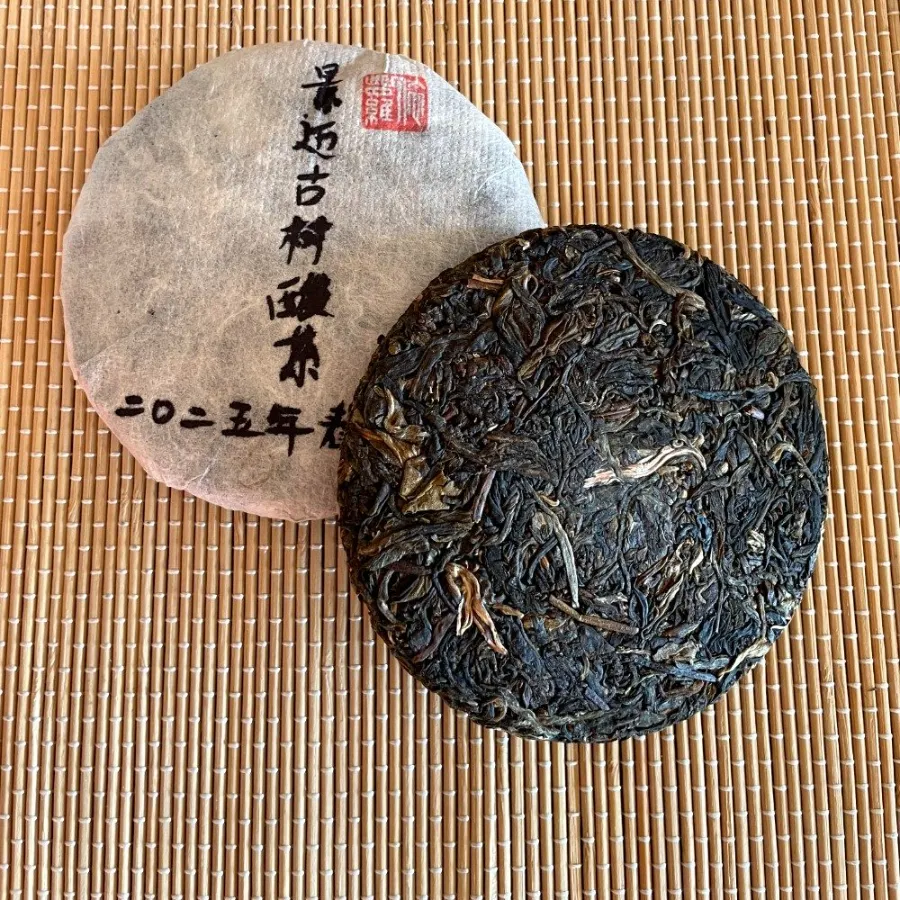
Sour Pu'erh
Sealed in clay jars by a BuLang chief, its saline sourness exists in no other tea.
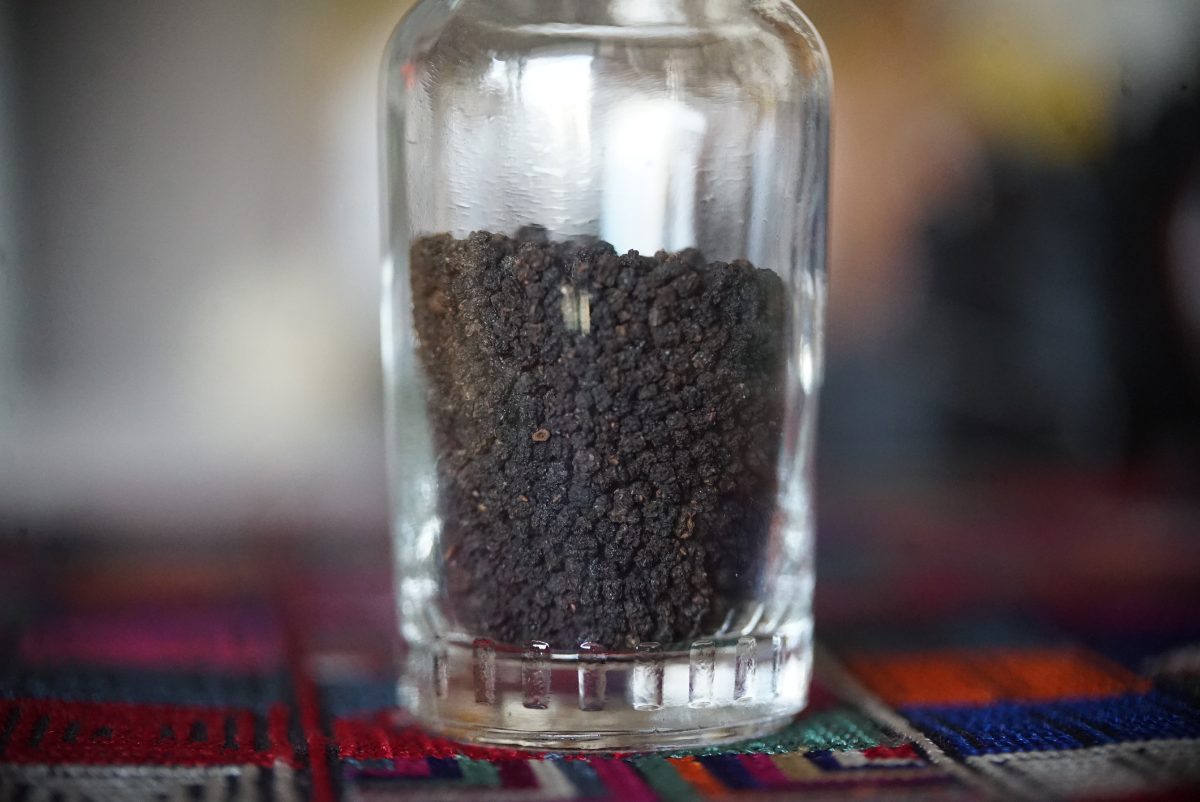
Caterpillar Tea
A caterpillar eats the leaves first; the pellets brew strangely clean.
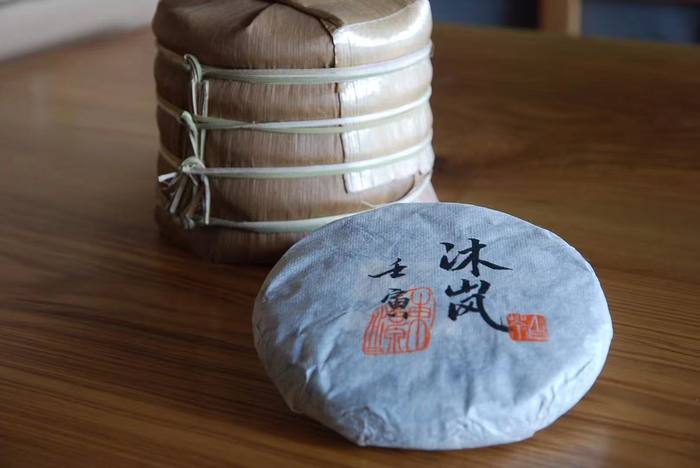
Wild White Pu'erh
White pu'erh from wild trees: sun-dried, unrolled, honey-sweet and cooling.
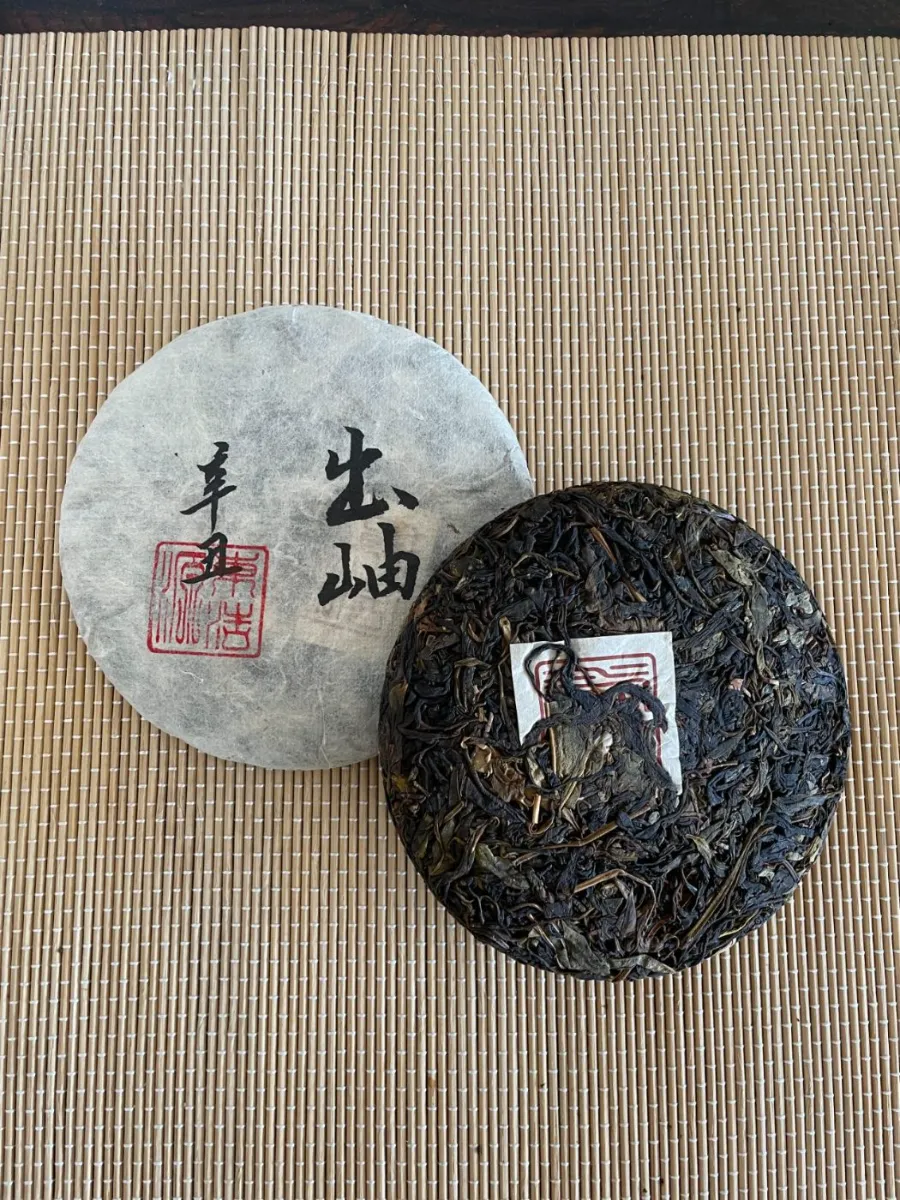
Wild Ancient Sheng
Wild ancient trees lend it a sweet, clean, bright energy.
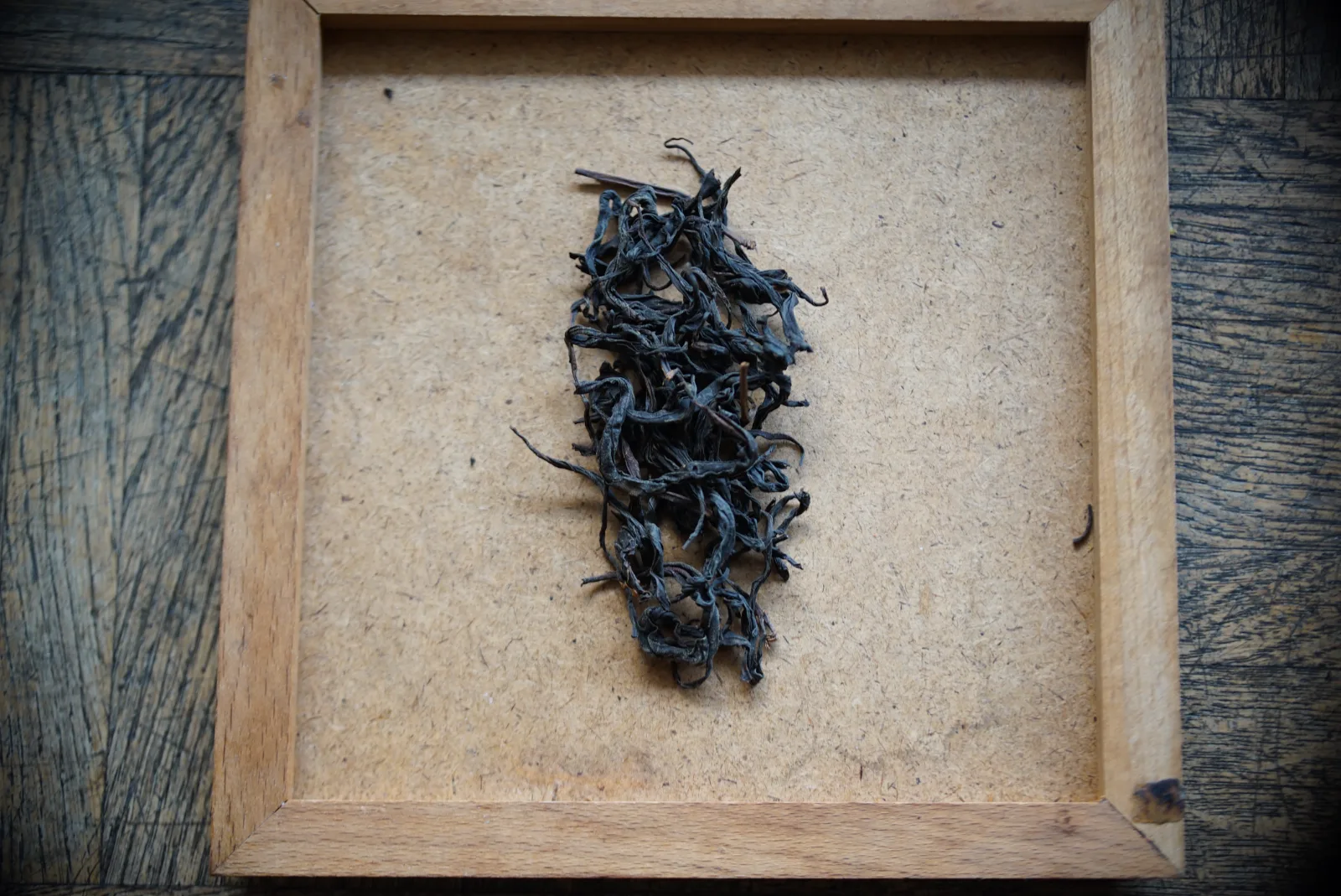
Wild Red
Wild leaf oxidises to a ruby red that drinks, well, wild.
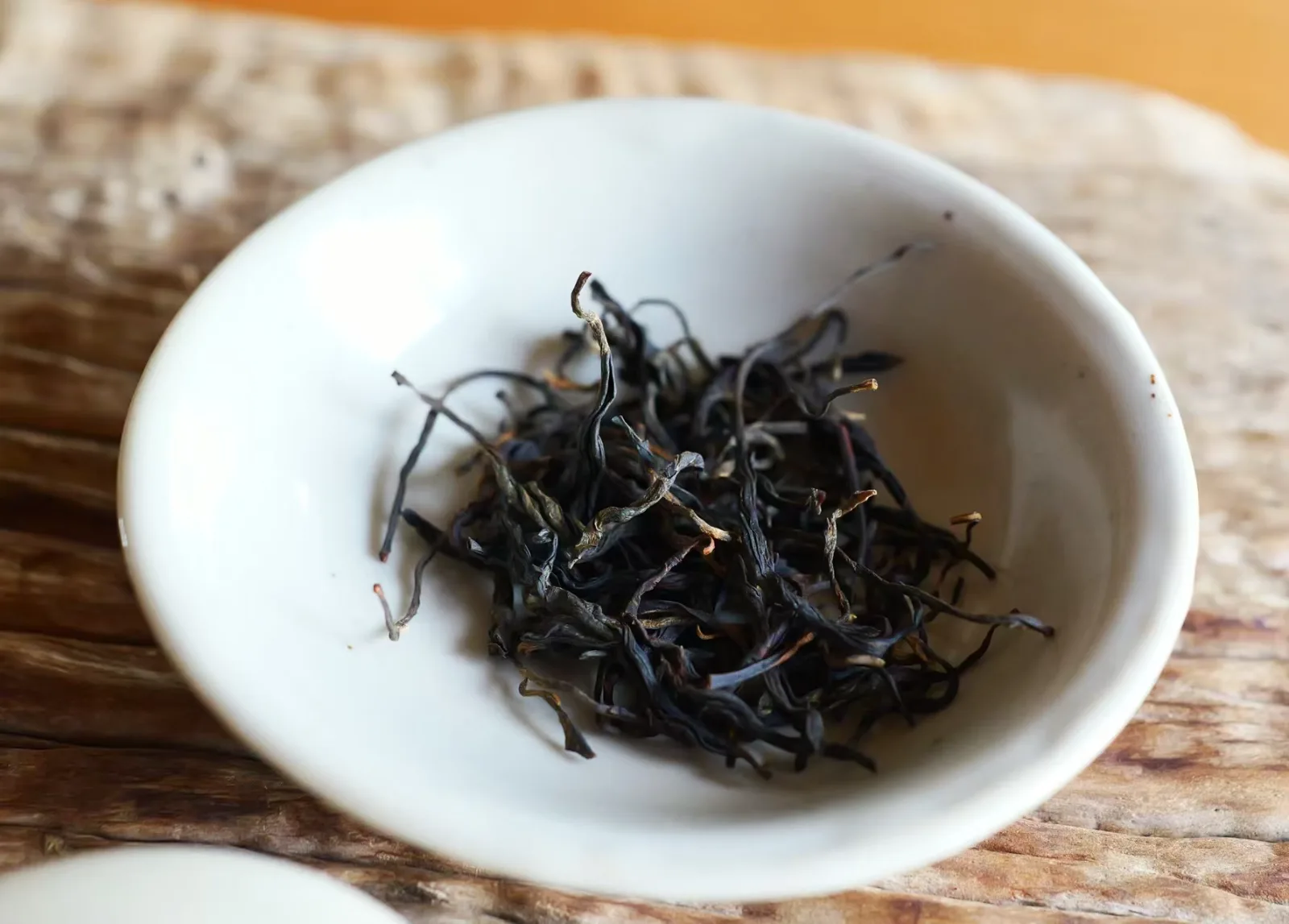
Ancestor Red
Red tea from domesticated ancient trees, low-temperature dried, 2025.
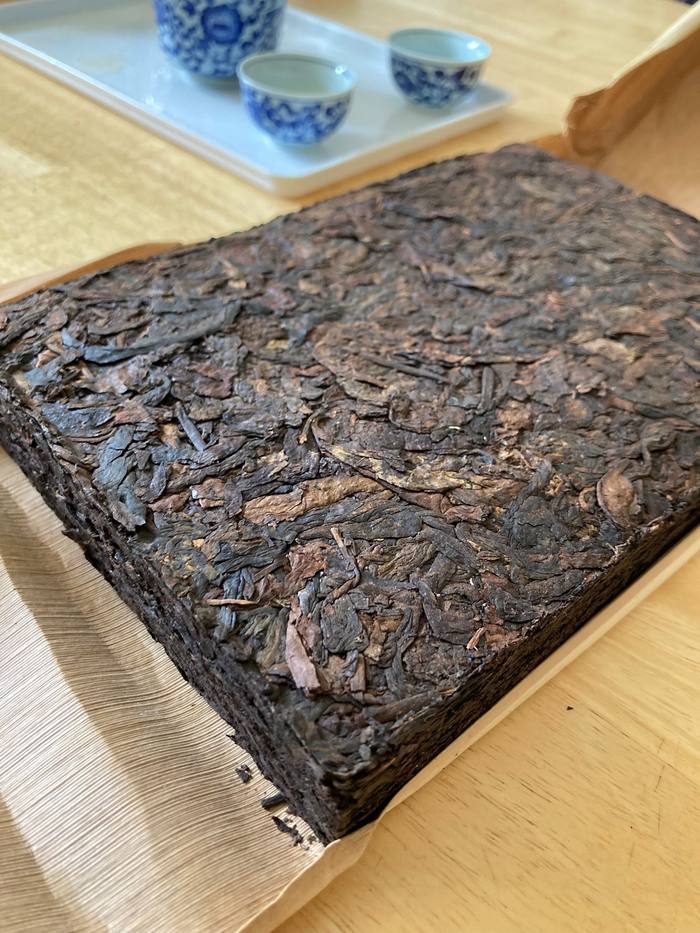
BingDao Golden Brick
This brick is the smooth, perfect way into fermented pu'erh.
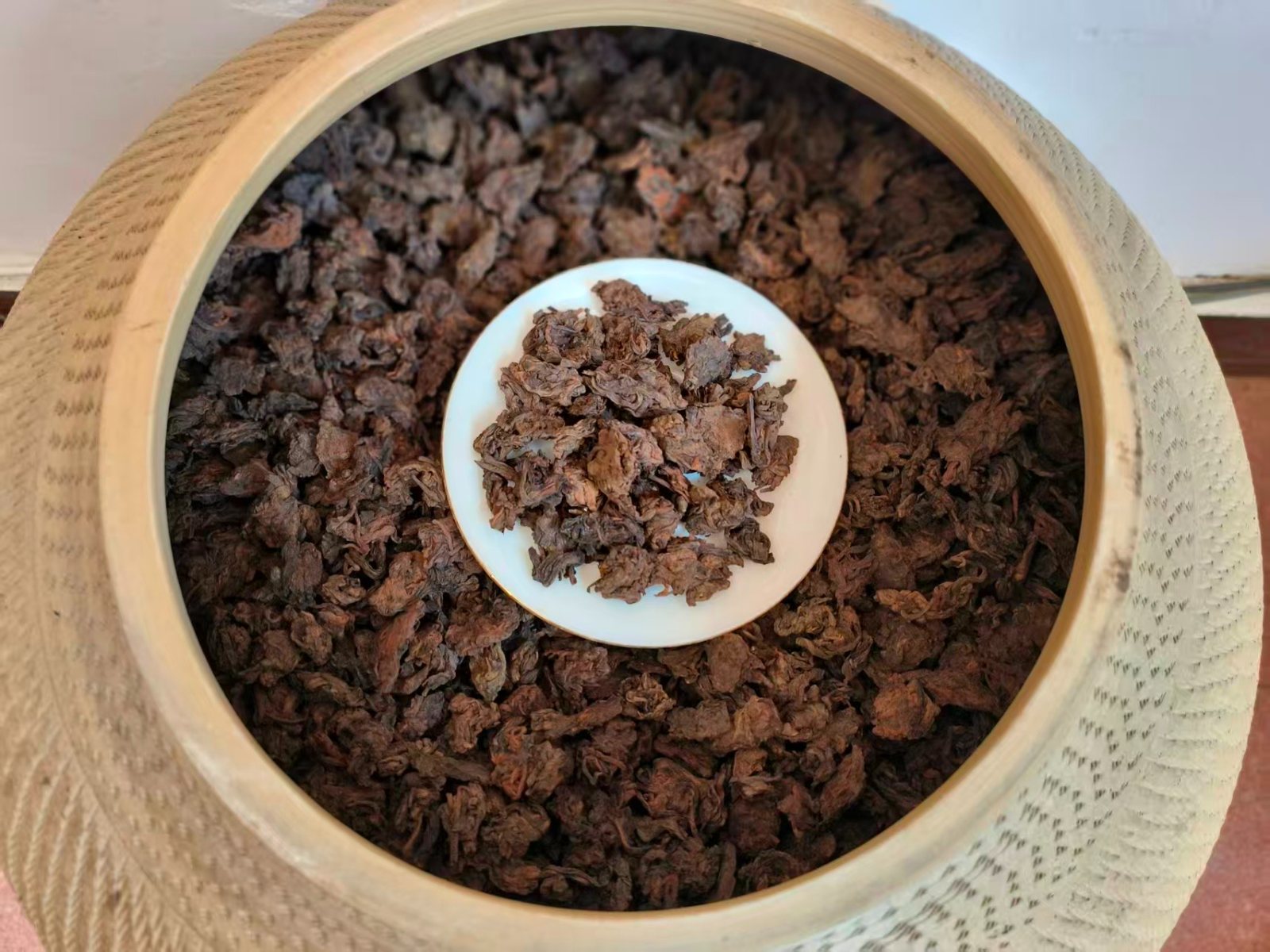
Ba Da Head Ferment
Pectin-rich fermentation heads make it round and smooth.
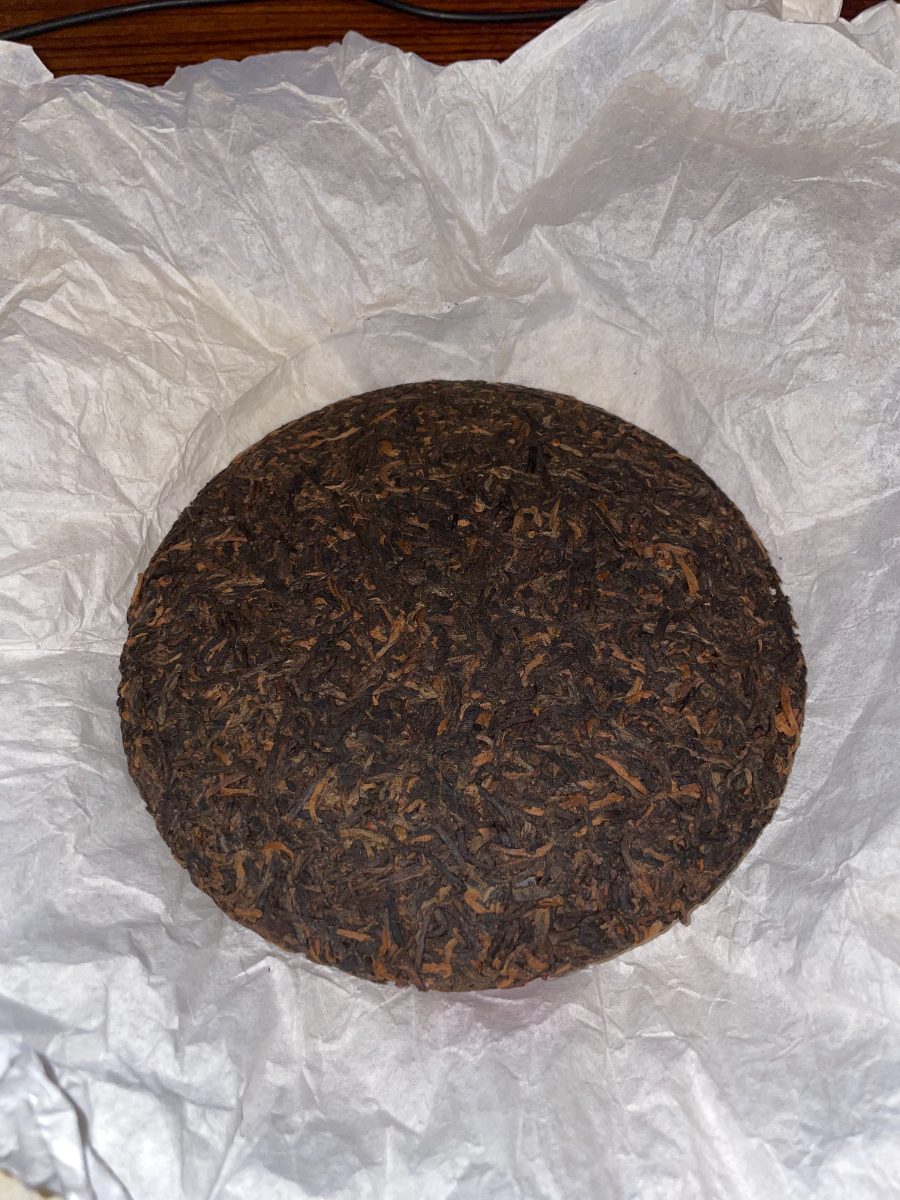
Yi Wu Aged Shou
A TCM doctor selected this cake; 15 dry years gave it chocolate and old wood.
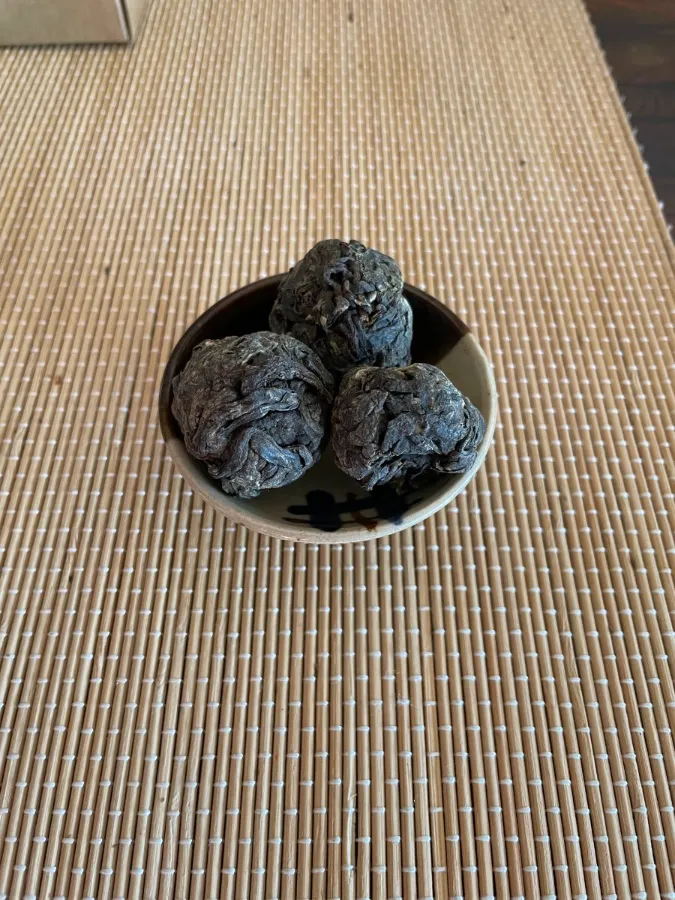
Hand Roll Autumn Sour Pu'erh Balls
Each hand-rolled autumn ball brews one lightly sour cup.
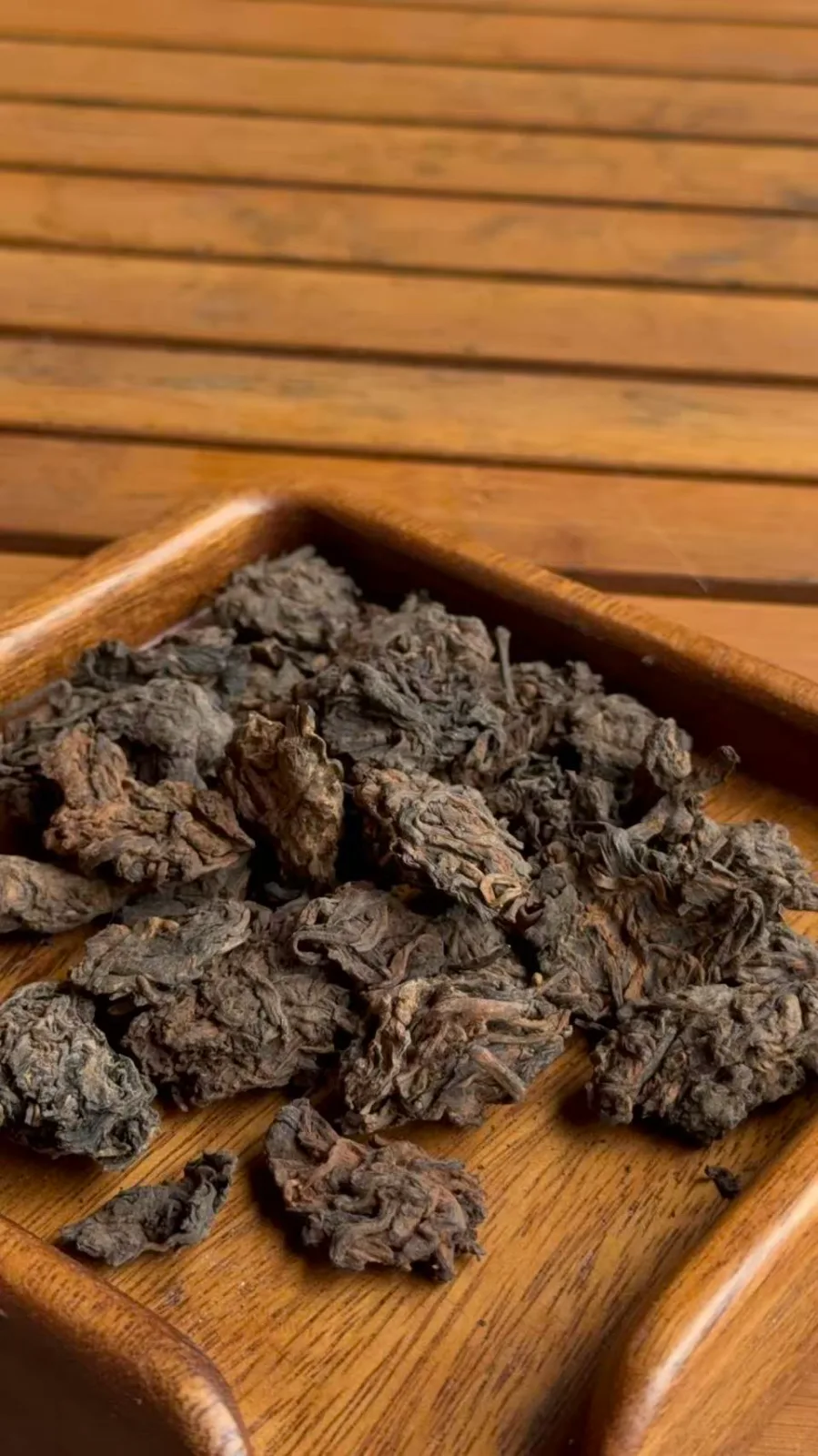
2020 JingMai Laochatou
Naturally formed heads make it thick, silky and sweet.
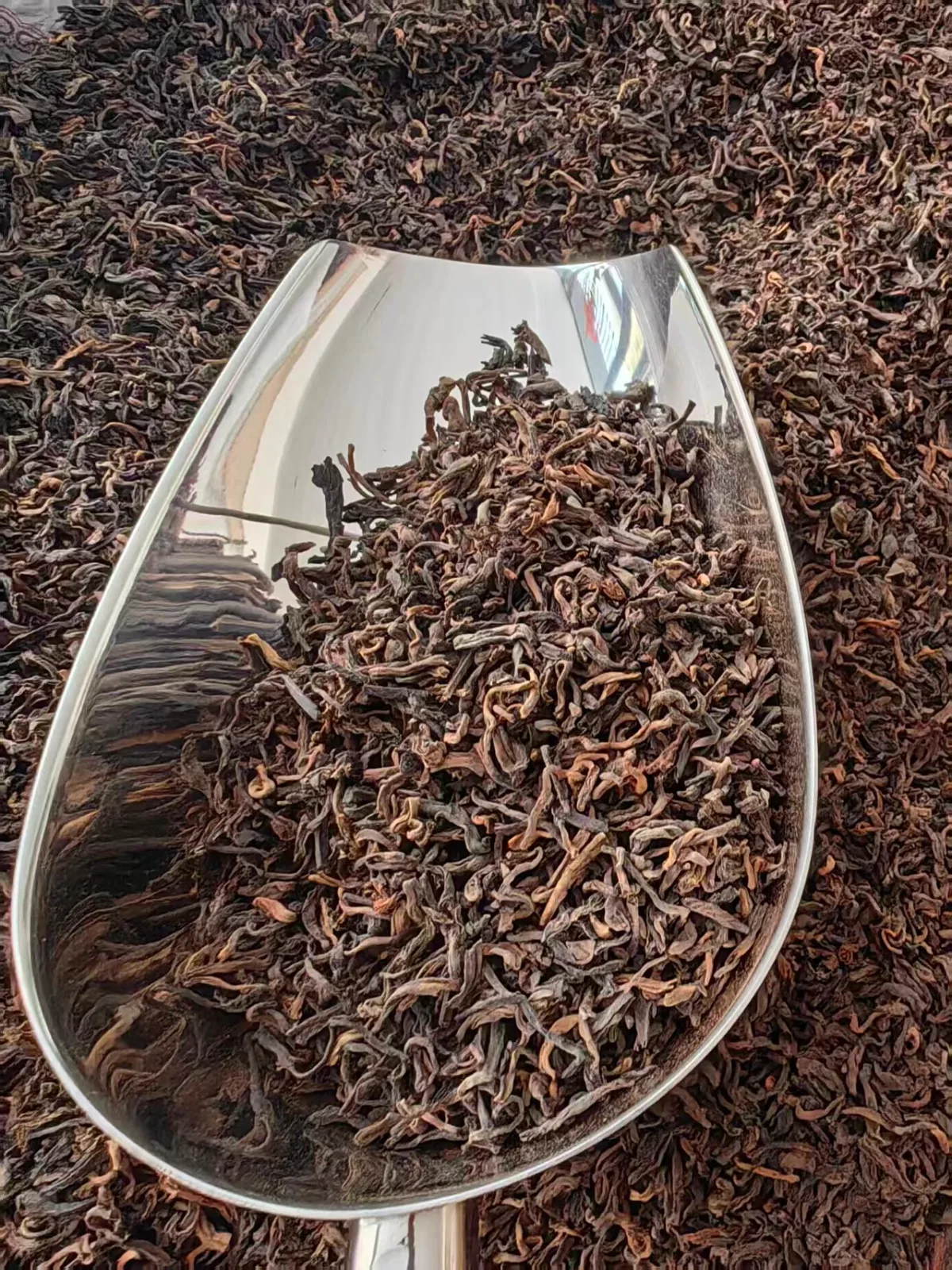
2015 Menghai Gong Ting
Tribute-grade buds brew dark and earthy-sweet.
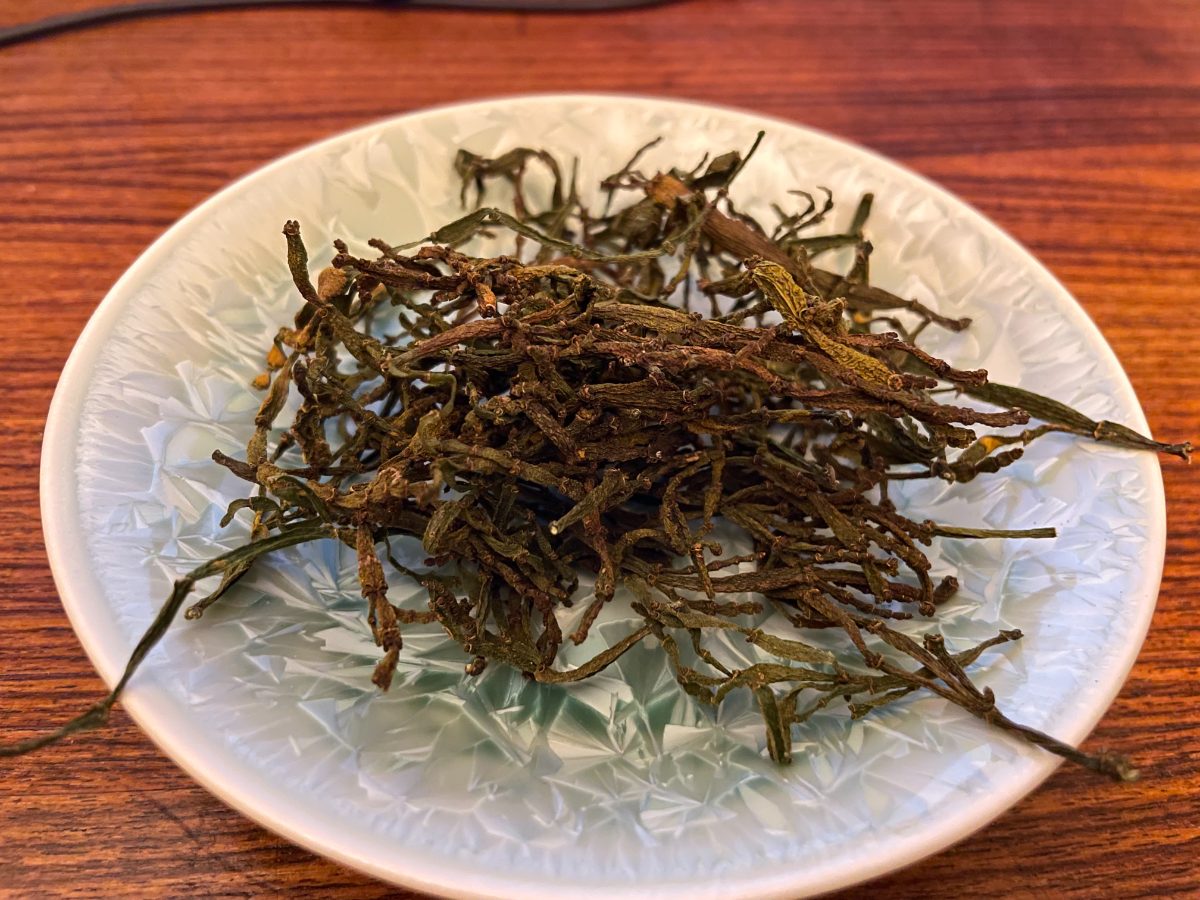
Crab Leg
This vine grows only on the most ancient trees, a rarity for centuries.
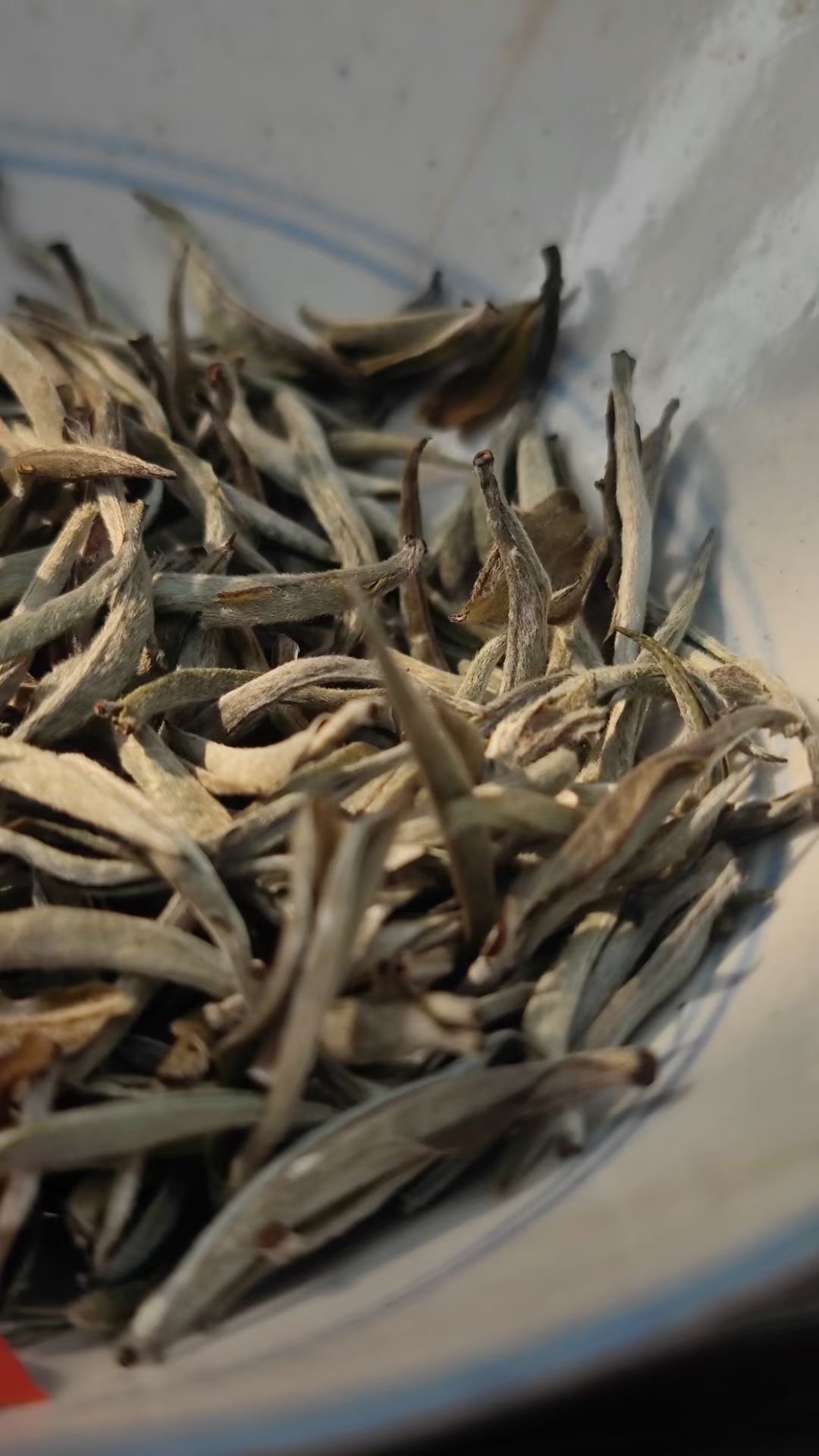
Ming Qian Que She
This first single bud is picked barely 75g a day.
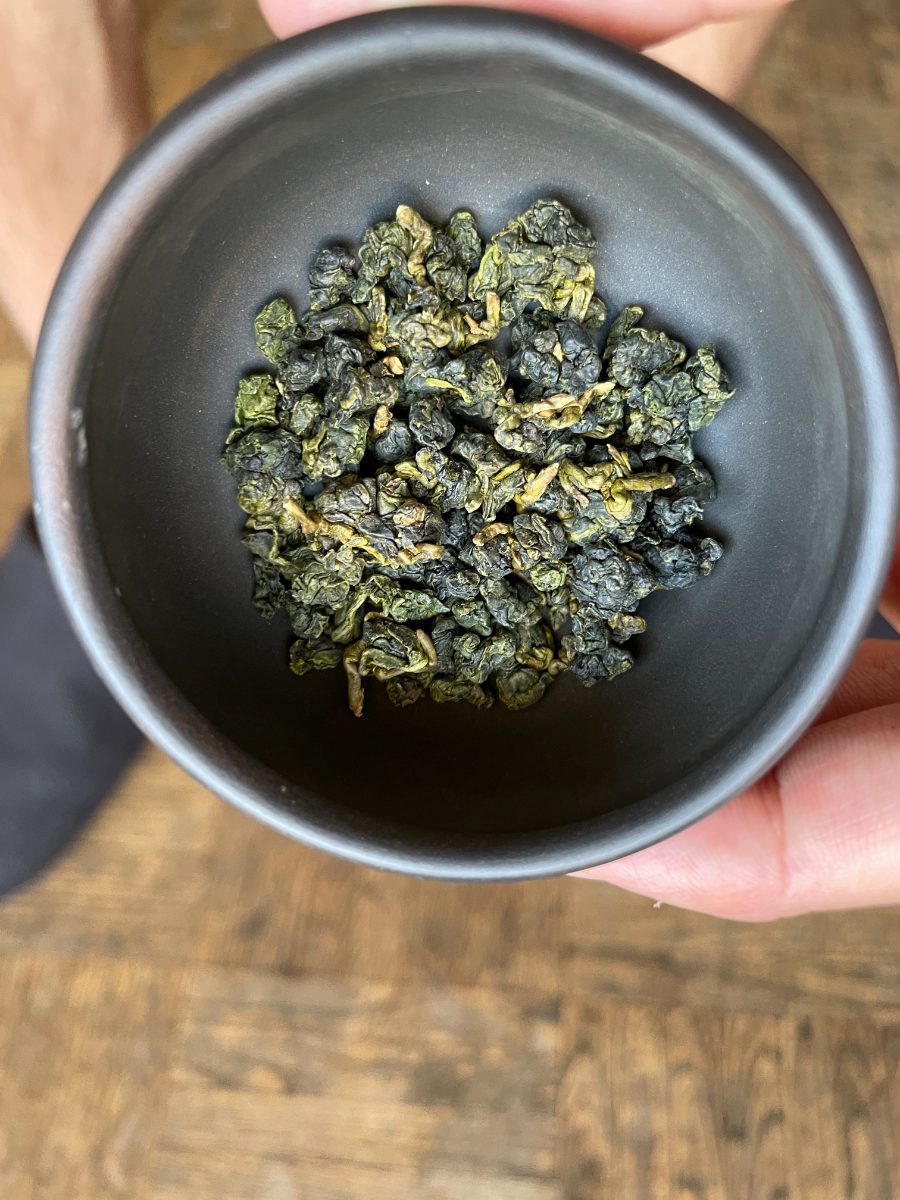
Tian Chi
The season at 2580m is so short and cold the flavour concentrates.
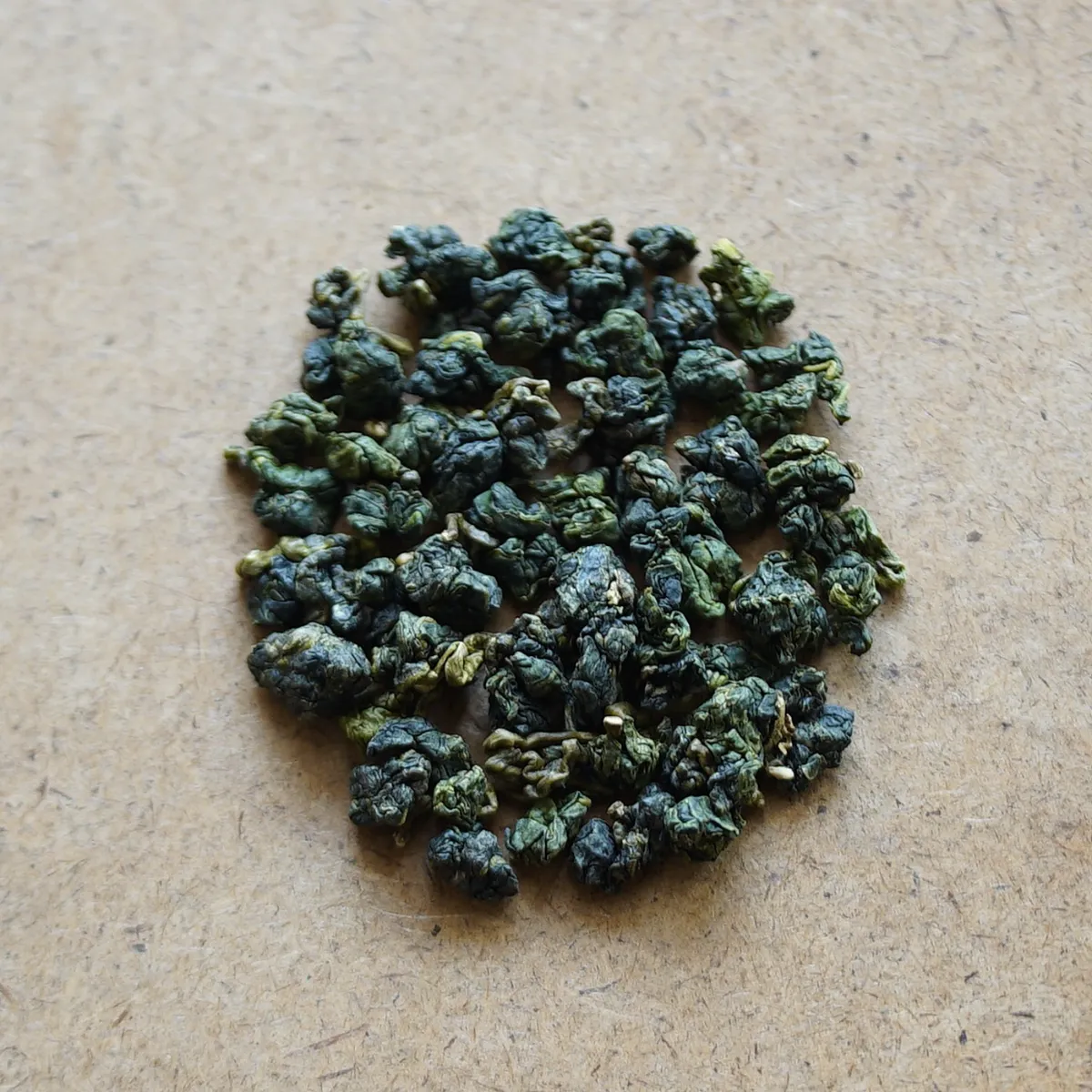
Shui Yuan Tou
The top of the Fu Shou Shan line: floral, peachy, cool and mineral.
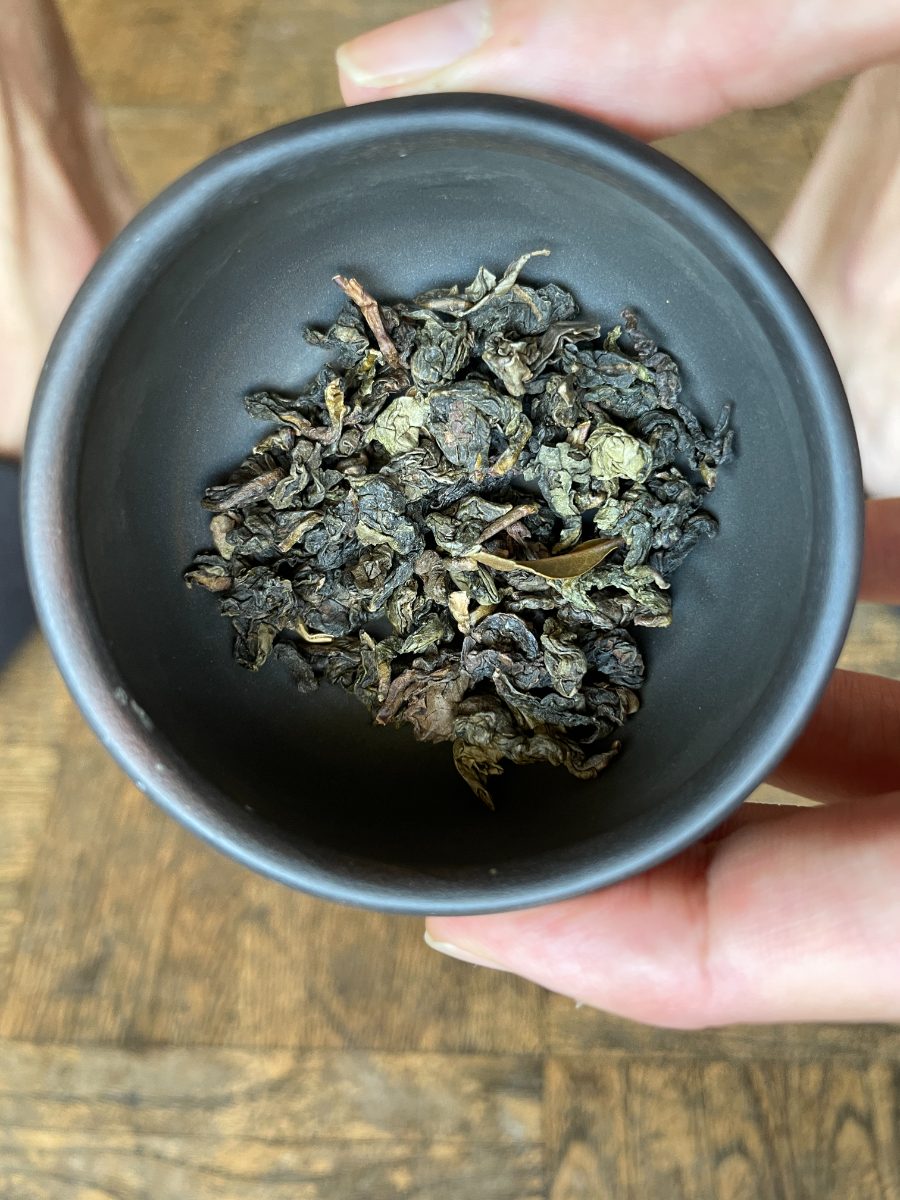
Luguanyin
A craft returned to China after the Cultural Revolution, then aged 36 years.
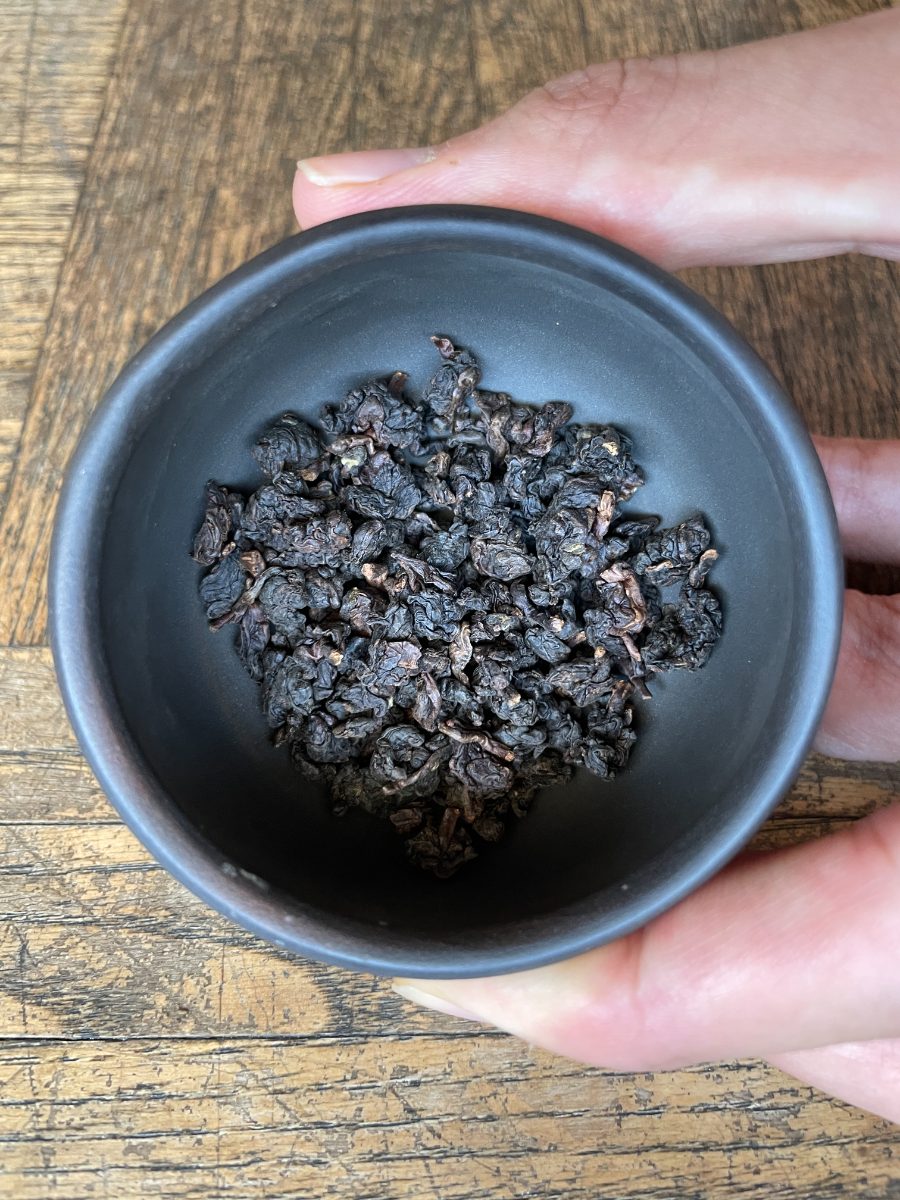
Tieguanyin
A favourite of the Kangxi Emperor, all fruit, smoke and minerals.
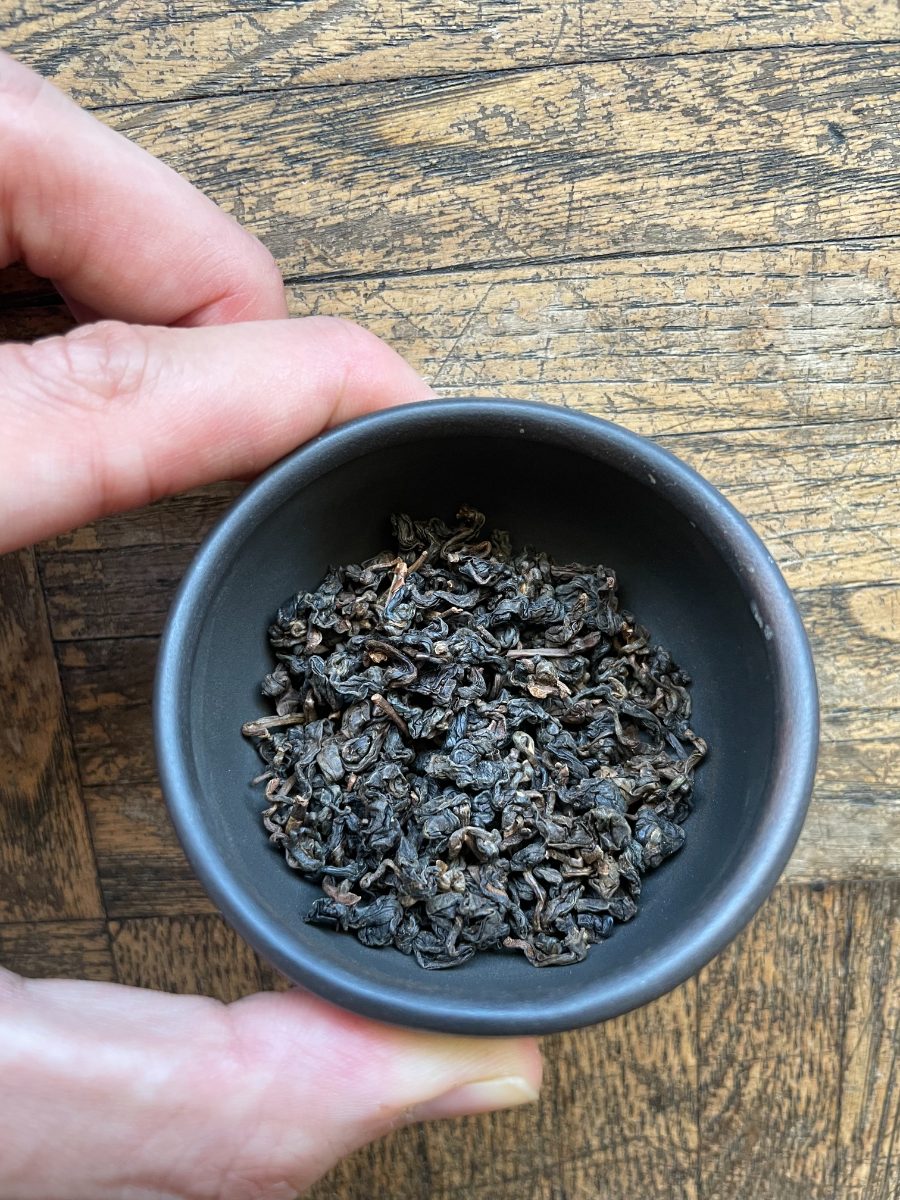
Aged Gaoshan Oolong
Planted high in the 1980s for pure terroir, then left for 35 years.
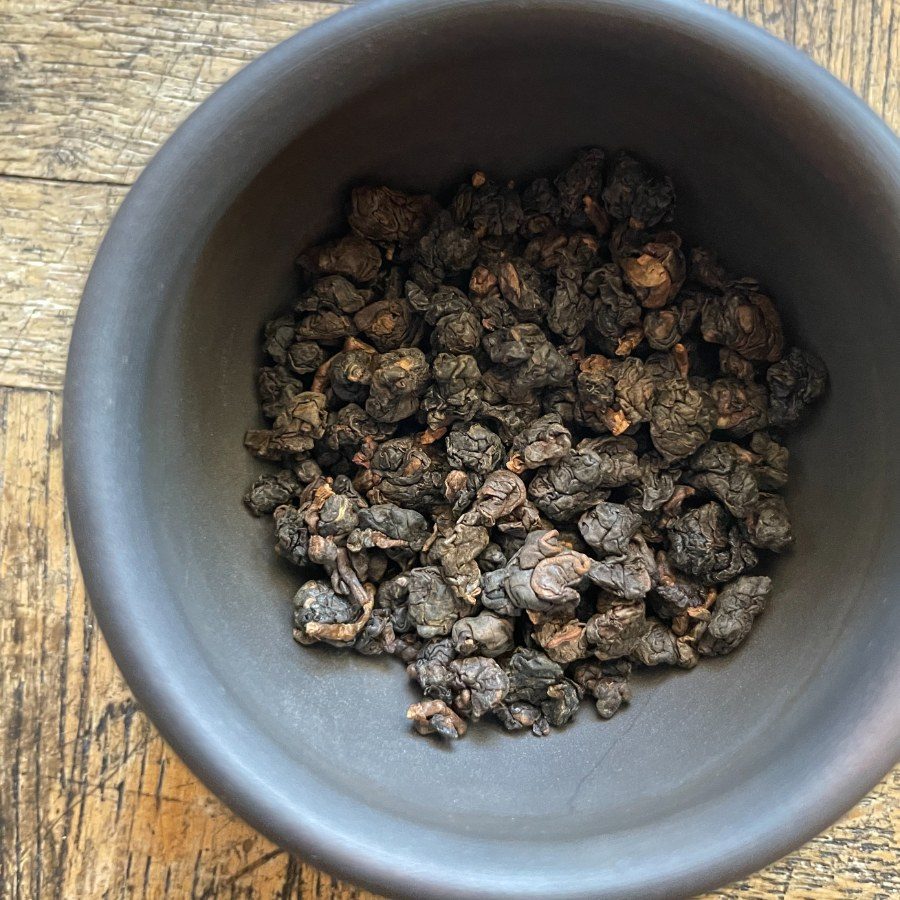
Competition Dongding, charcoal-roasted
A prize-winning producer still roasts it over charcoal, the old way.
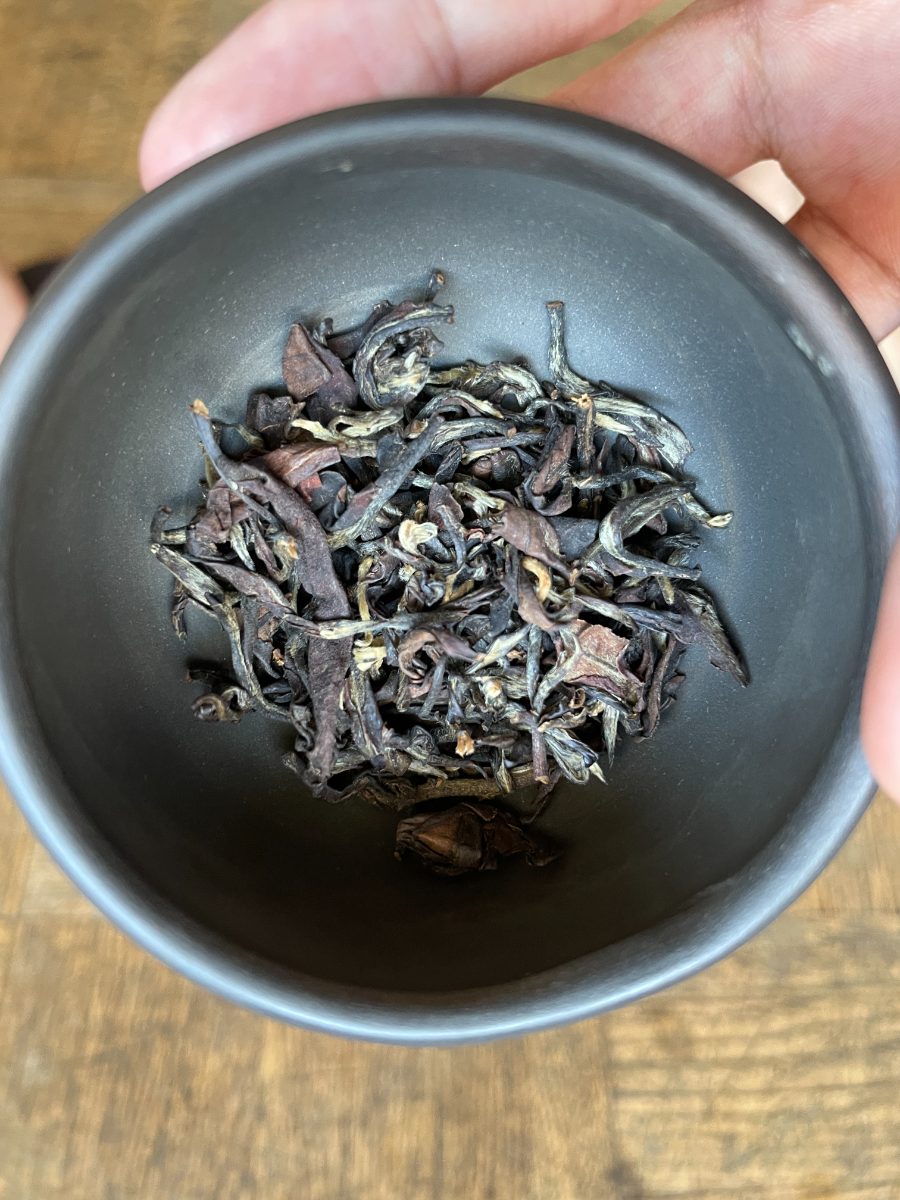
Aged Oriental Beauty
Leafhopper-bitten leaves, then fifteen sealed years: honeyed, round, dark.
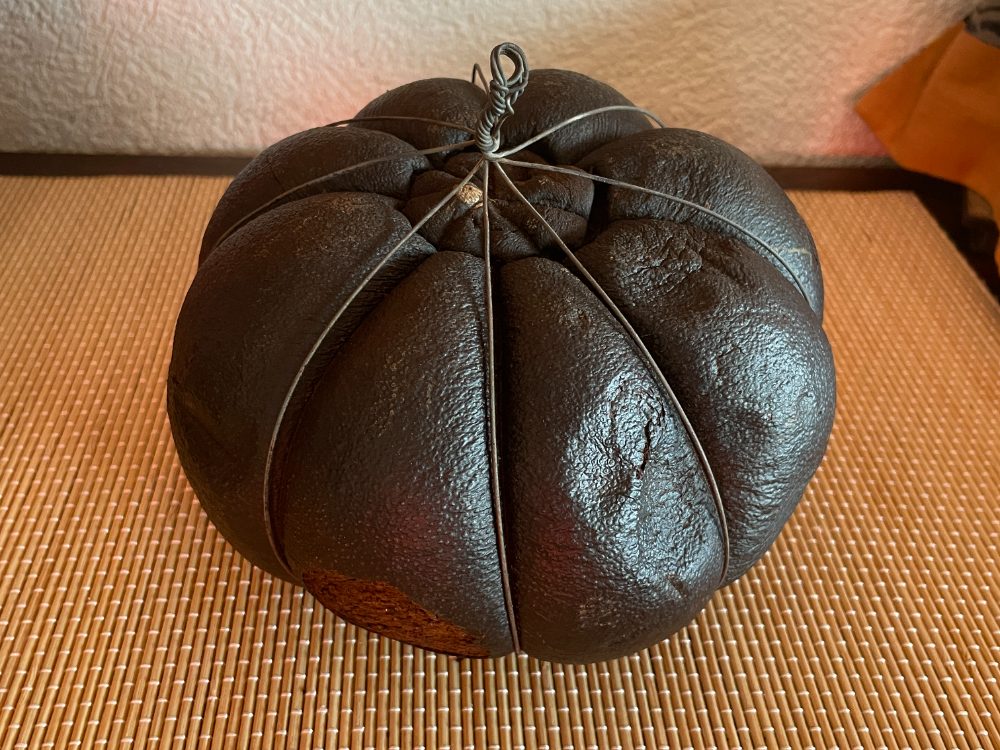
Suan Gan Cha
This wulong is aged inside a whole blackened citrus.
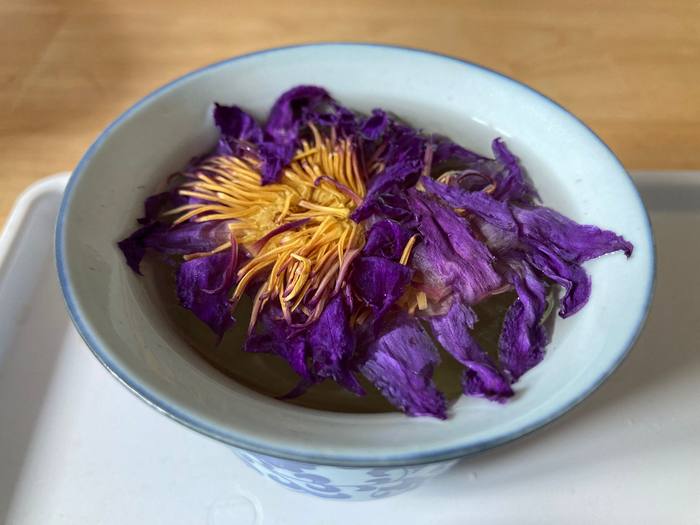
Blue Lotus
Egypt's sacred flower, painted on tomb walls. Ours is organic, from Sri Lanka.
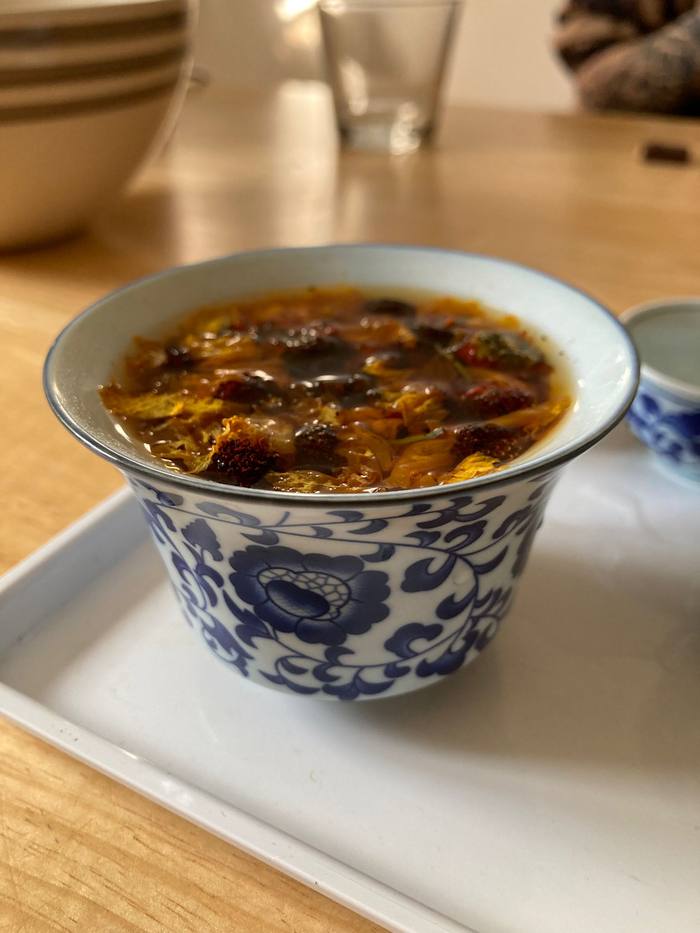
Snow Chrysanthemum
One whole bloom per cup: amber-golden, lightly sweet and herbal.
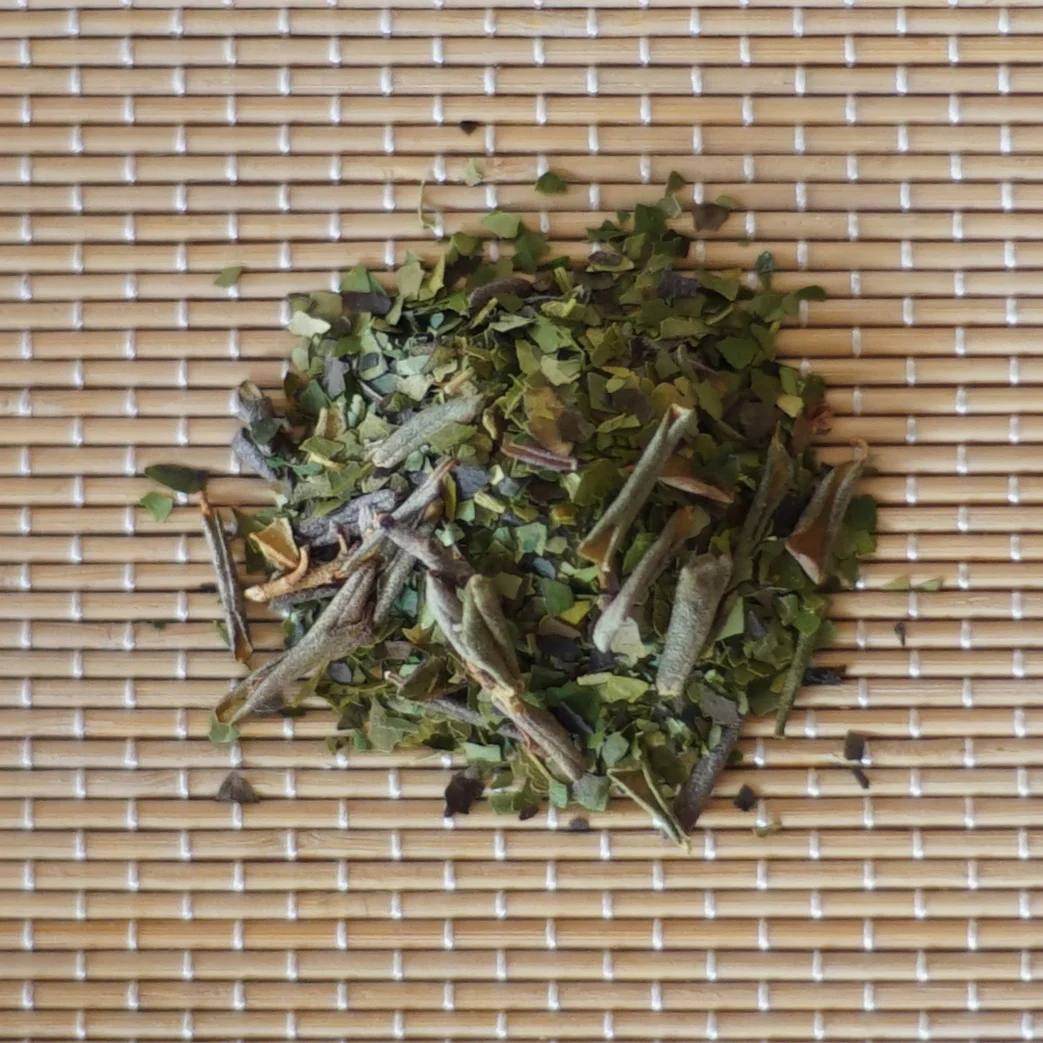
Guayusa Sagan Dali
A lucid-dreaming Amazonian leaf gentles a fierce Siberian herb.
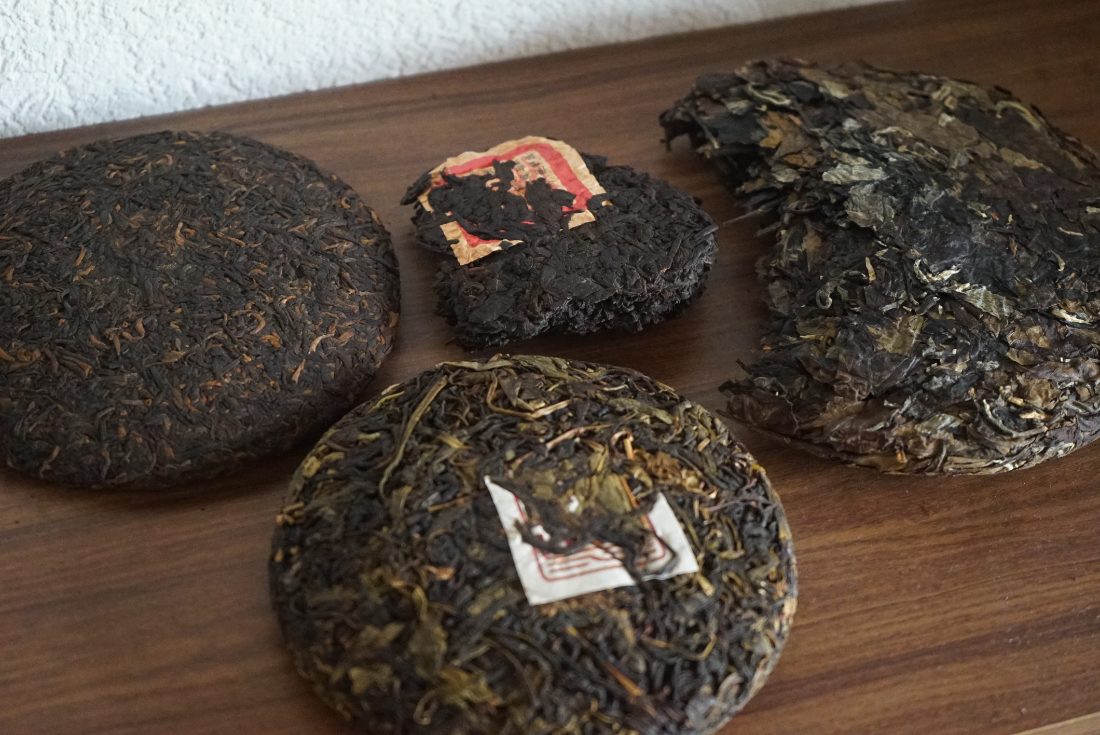
Surprise Pu’erh Pack
Four aged pu'erhs from our cellar, 25g each, chosen by us.
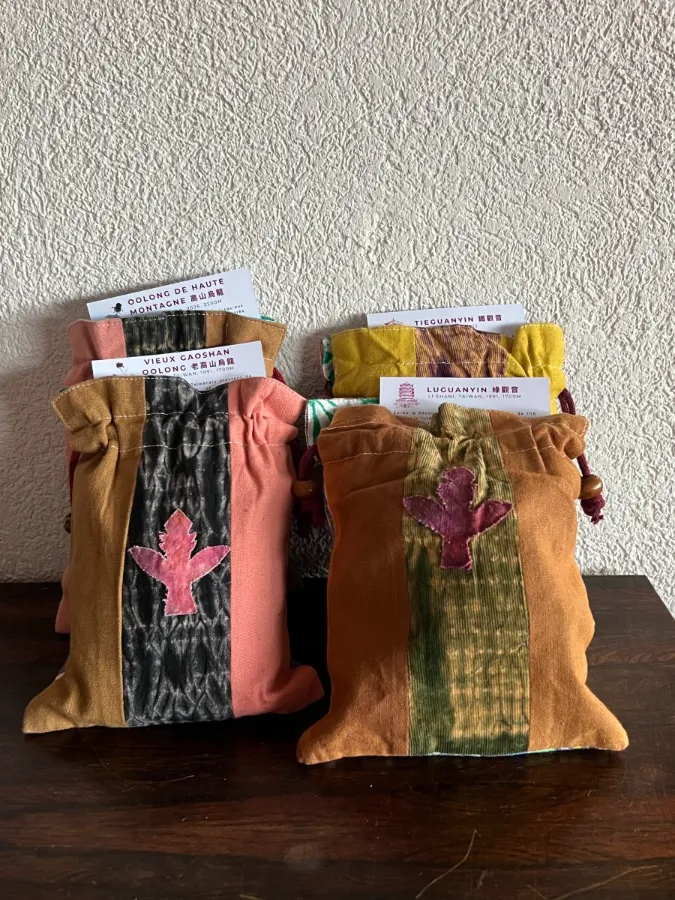
Specialty Taiwanese Pack
Four Taiwan wulongs to taste side by side, 7–10g each.
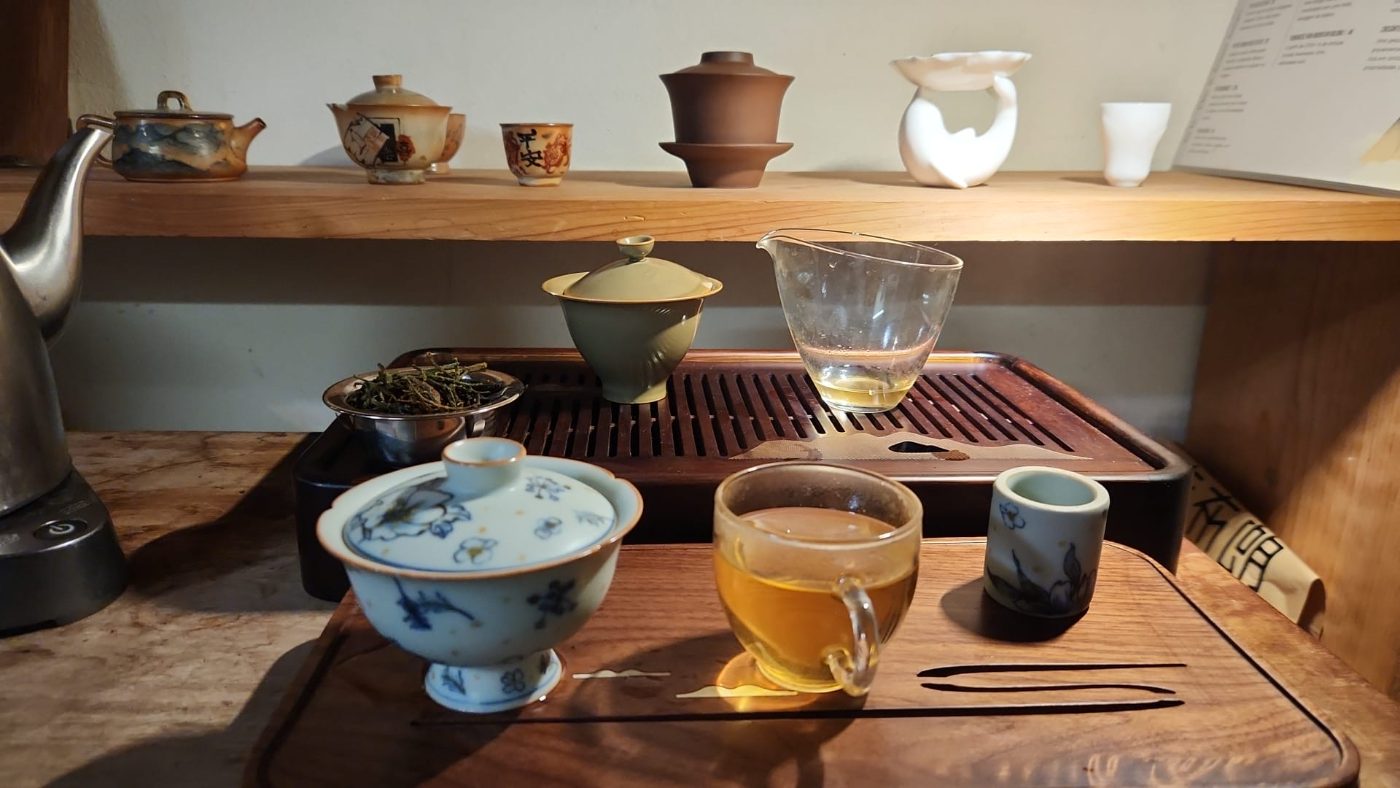
Yunnan & Taiwan Combo
This set brings four pu'erhs and four wulongs together.