Our producers
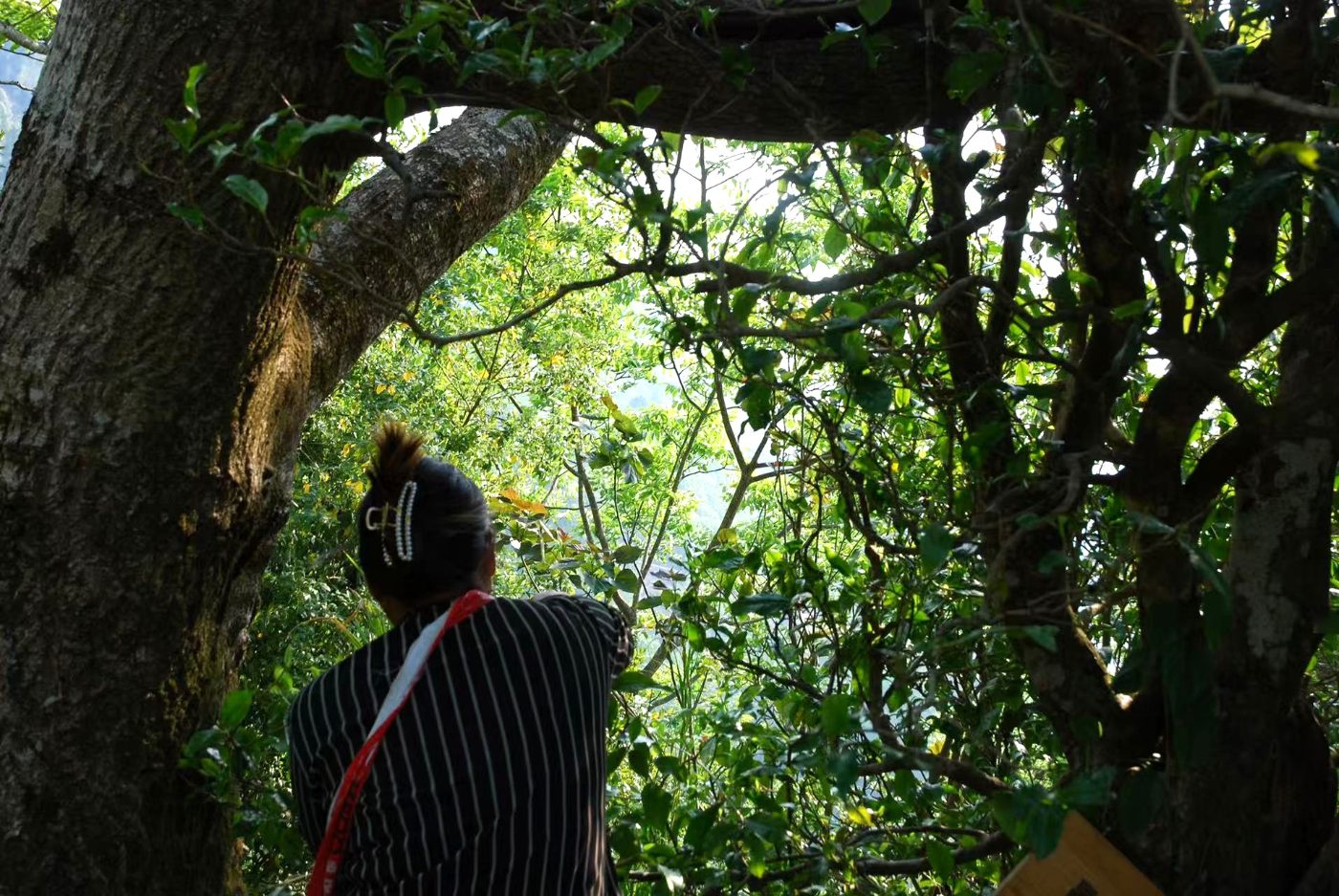
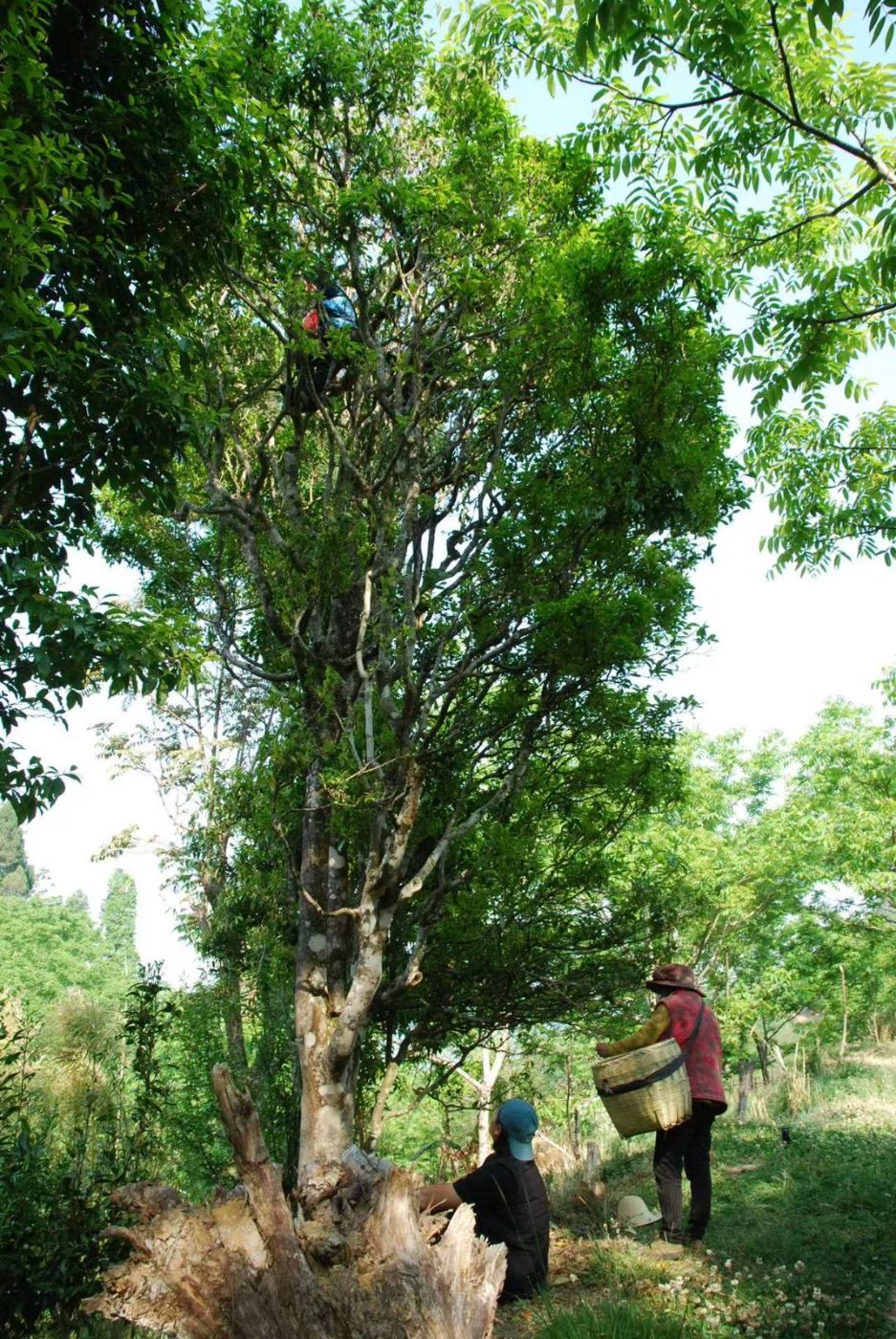
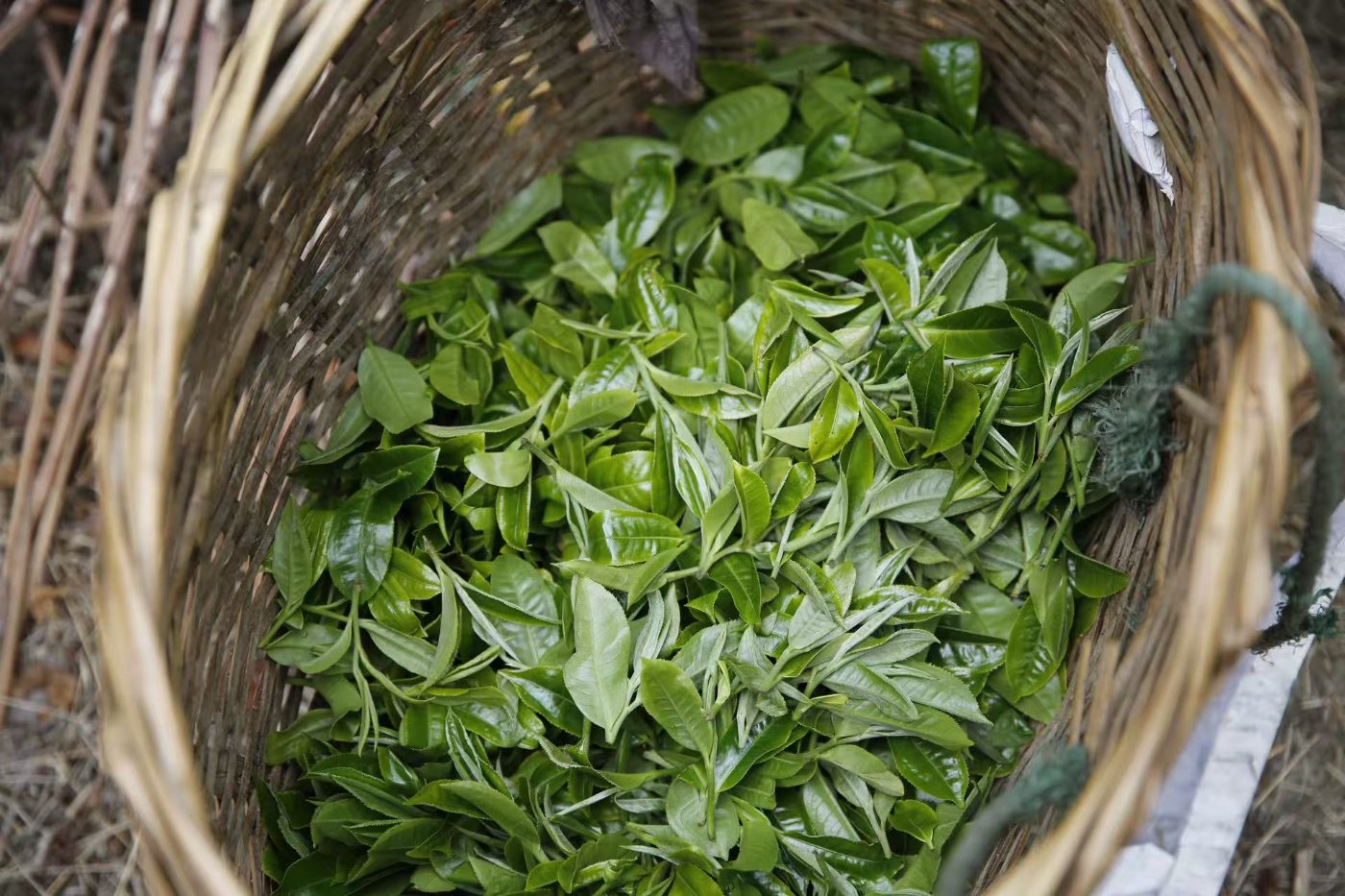
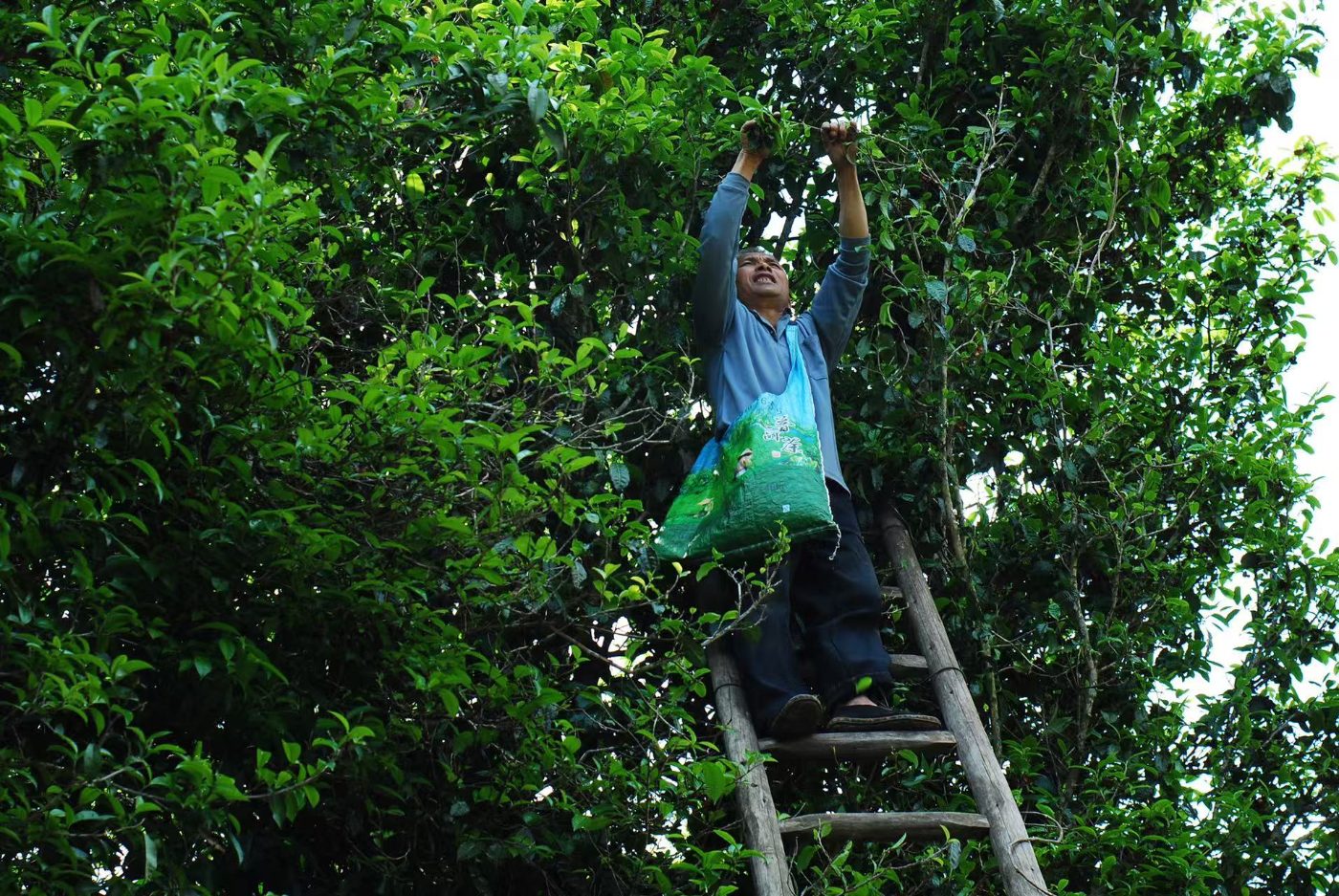
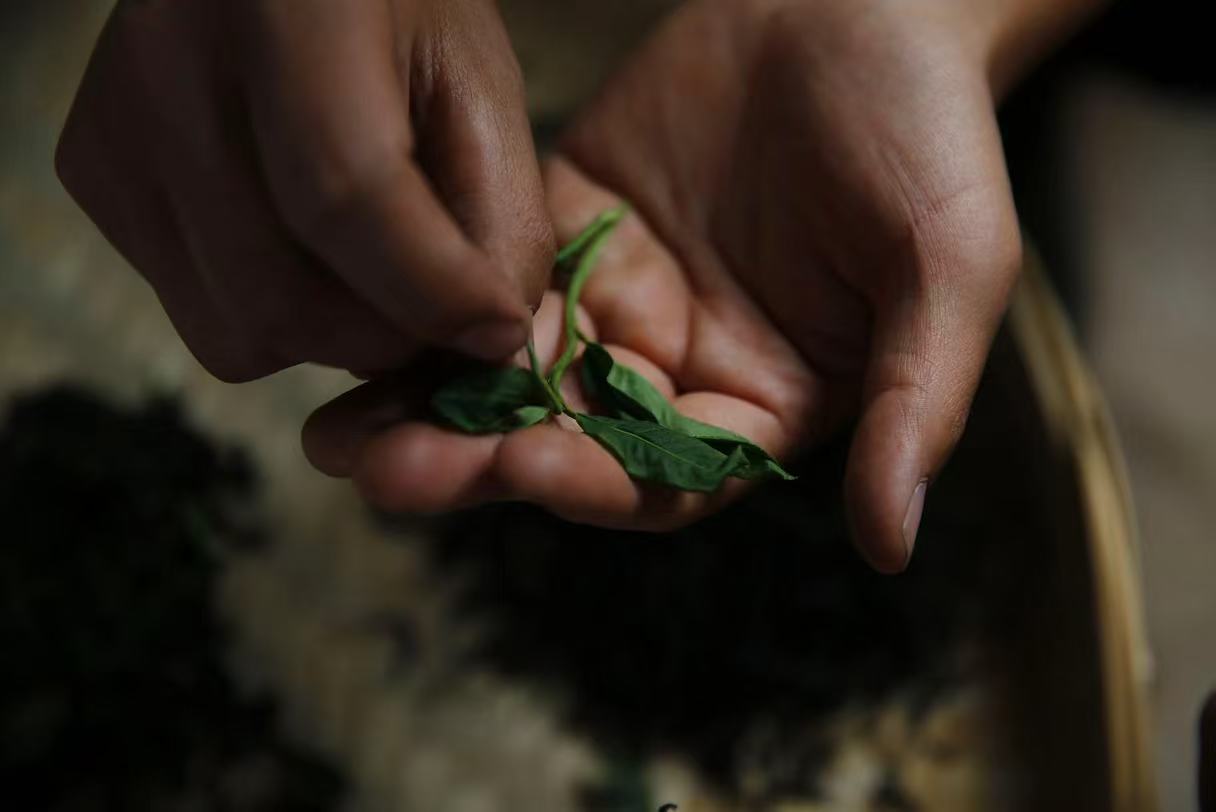
Bao Shan, Yunnan, picking from ancient trees.
Bao Shan, Yunnan, picking from ancient trees.
Bao Shan, Yunnan · The Pu family
Following the tea into the mountains of Baoshan, we arrive among the Yi, where we meet a family whose surname is 普 (Pǔ), the same character that begins the name Pu'erh.
The Yi are an ethnic group of Yunnan deeply associated with tea's ancient origins. Pu'erh is the oldest type of tea, synonymous with Yunnan province, the ancestral home of all tea. In the mountainous jungles of Bao Shan, a world-famous pu'erh region, Pu and his family have tended the ancient trees for generations.
With pu'erh, the older the tree, the more precious the leaves. In fact, people often reserve a specific tree's harvest in advance. Trees older than 100 years are considered 'ancient'. Our producer works with trees 300 to 1,000 years old. Luckily, he keeps his prices reasonable for us: trees like these easily fetch thousands per kilo, of fresh leaf!
The difference between wild and ancestor trees lies in their genetics. Wild trees keep the characteristics of tea trees from before modern cultivation, while ancestor trees show the traits of very early selection.
Everything here is organic, dried at low temperature to facilitate optimal aging.
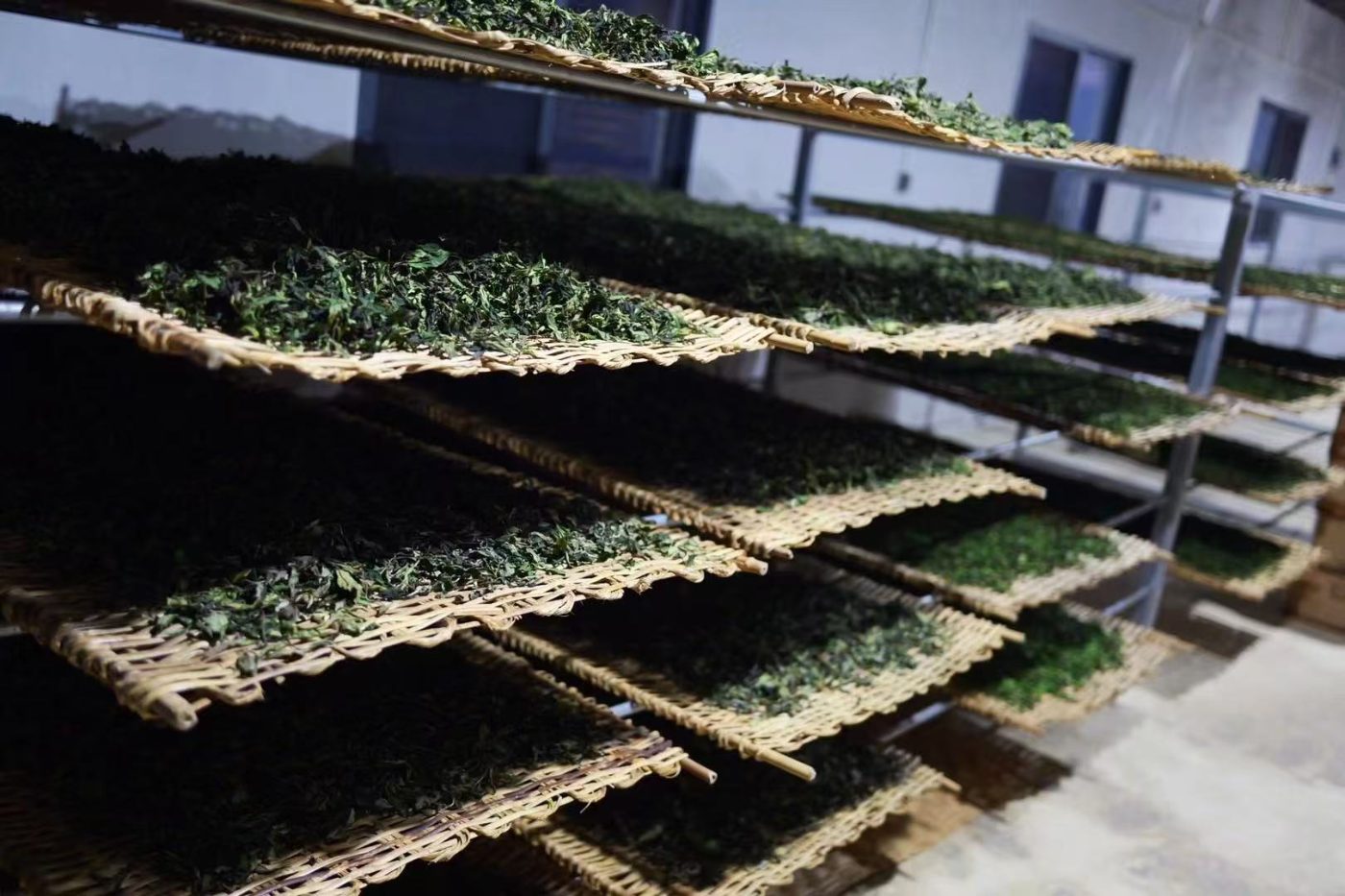
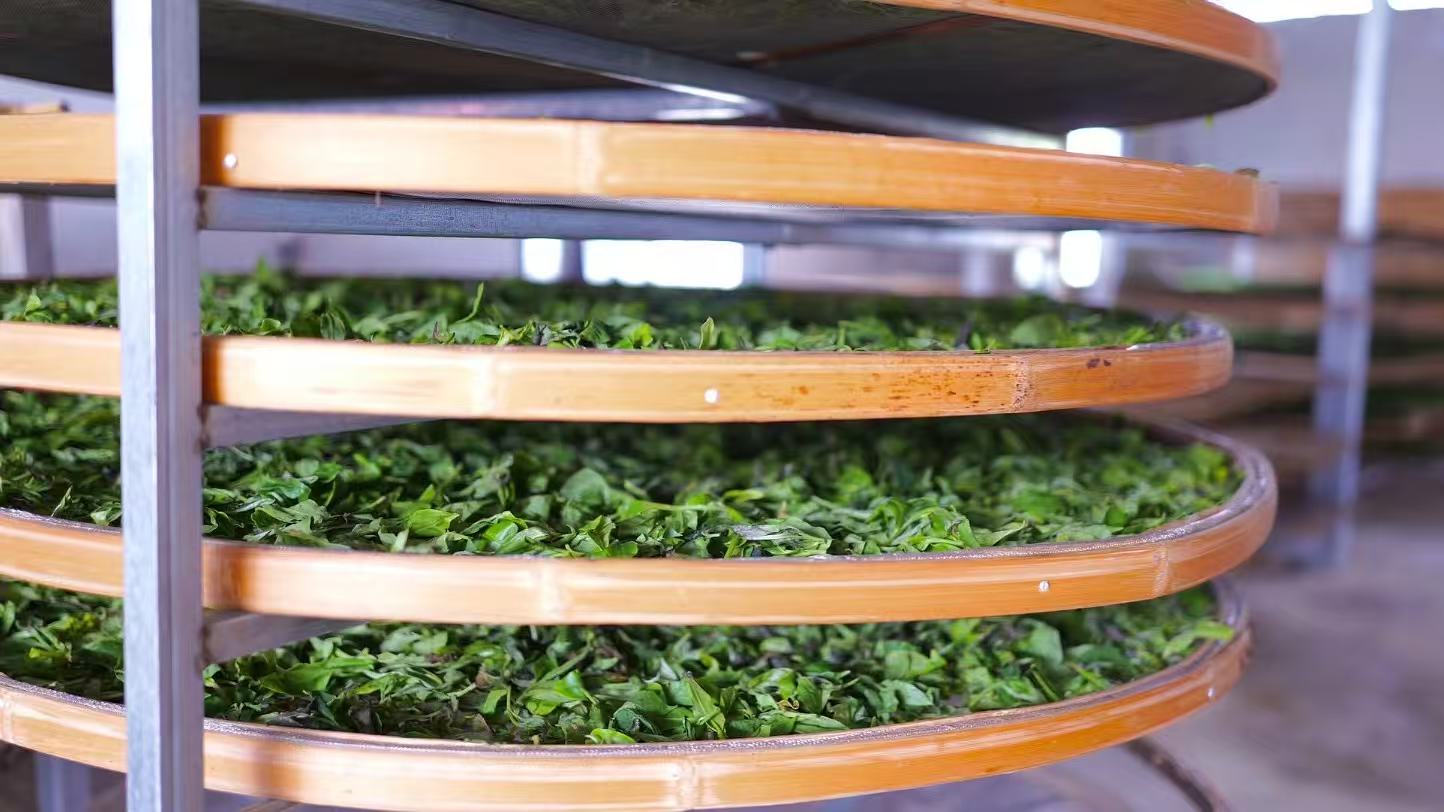
JingMai Shan, Yunnan · The BuLang people
An incredible stroke of luck led us to the grandson of the last BuLang chief of JingMai mountain, still alive and kicking in his eighties.
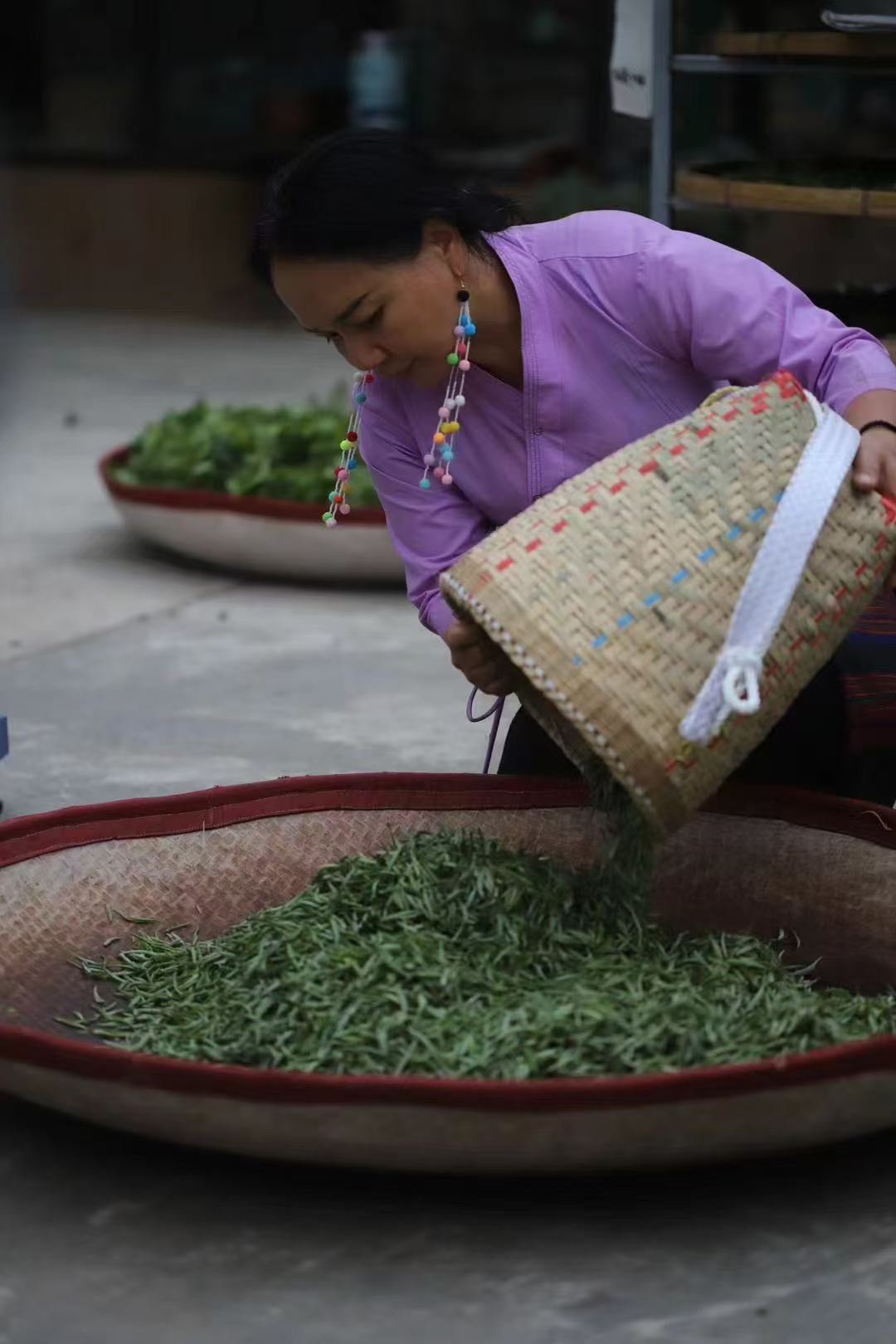
The Bulang are among the oldest tea-growing peoples of Yunnan, inhabiting the forests of the Bulang Mountains long before the arrival of the Han Chinese. Often regarded as the original custodians of tea, their traditions are inseparable from the earliest history of its cultivation and use.
Everything they produce is grown organically, suited to immediate brewing as well as long-term storage. Thanks to the generosity and trust of the Bulang families we work with, we can present a selection of exceptionally rare offerings.
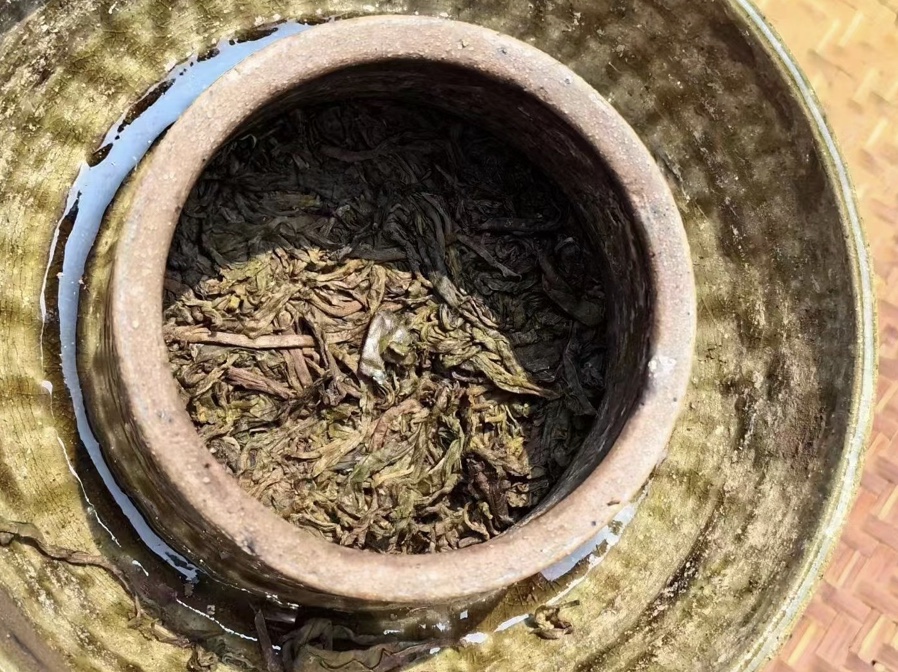
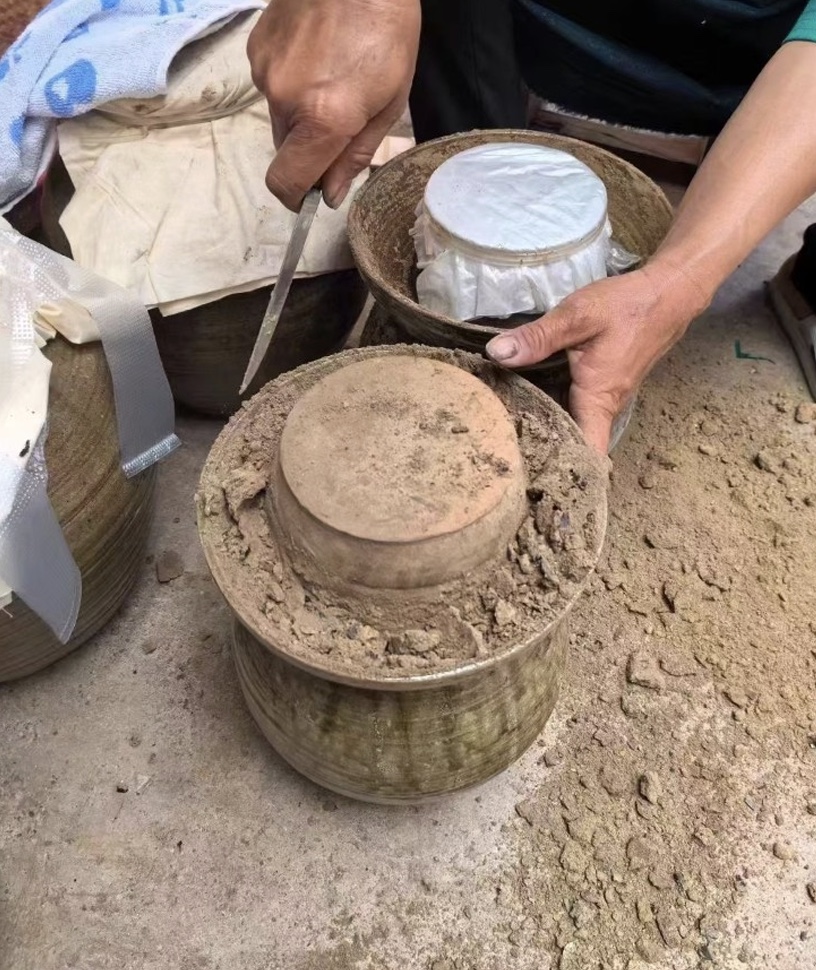
One of these is Sour Pu'er, a ceremonial tea produced in small quantities according to ancestral methods. Traditionally fermented underground and reserved for special occasions, such as the Tea Spirit Festival held during the Bulang New Year, it remains a deeply significant part of Bulang culture. It is believed to be among the oldest produced processed teas, with a history spanning more than 1,700 years.
Beitou, Taiwan · MoFan, the roaster
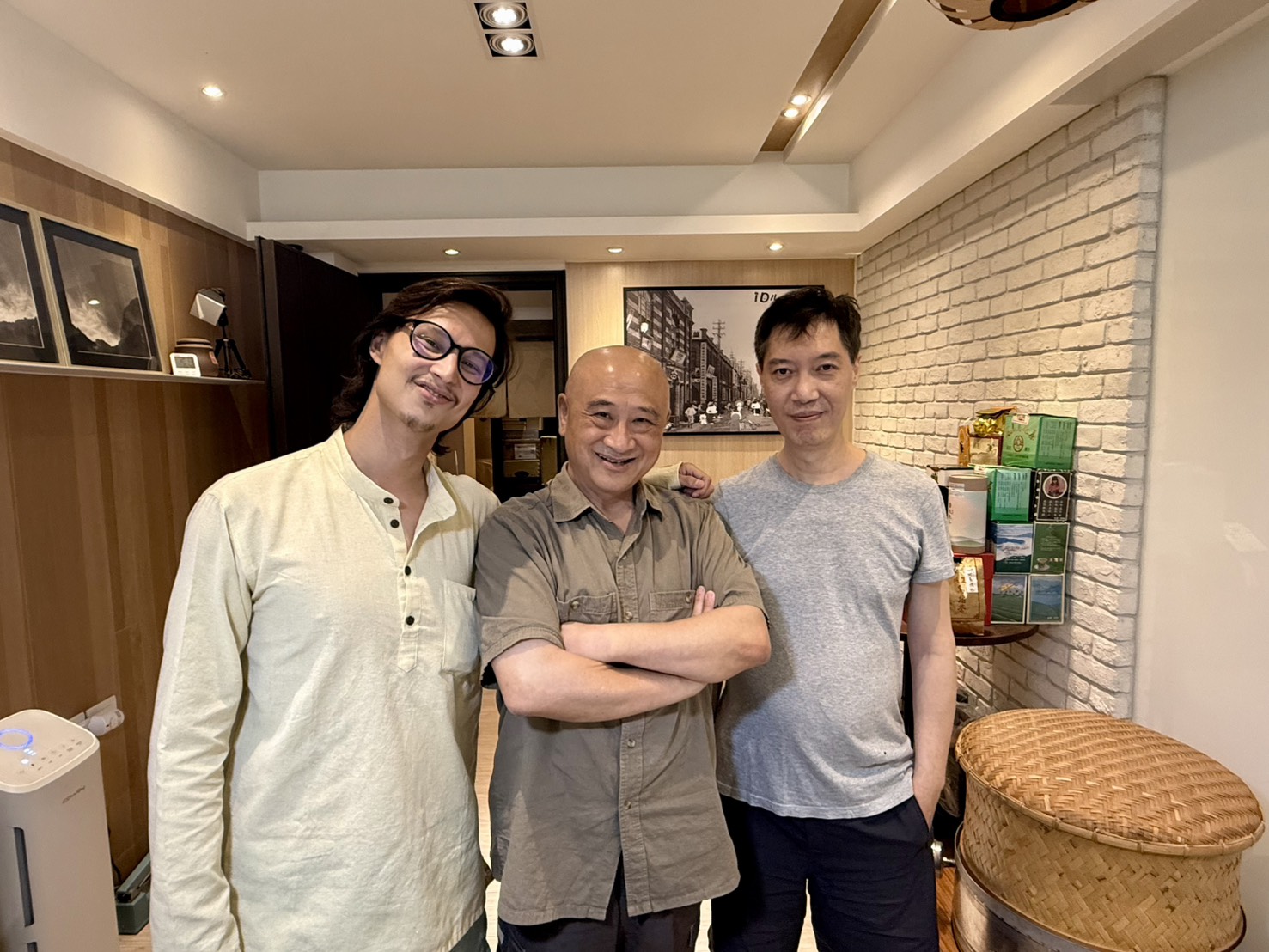
It began in a Taoist temple, where we spent time in meditation and discovered tea as part of the practice. The abbot later introduced us to a close friend of his: MoFan, a tea roaster who would deepen our understanding of tea.
Tea is native to the forests of southwest China, especially Yunnan, and its earliest use belongs to the indigenous peoples there, who were drinking it long before it entered Chinese elite culture. But it was Buddhist monasteries that later cultivated tea on a large scale. For monks, tea became an aid to meditation, helping them remain awake and focused during long hours of practice. Tea gradually became embedded in monastic life, and from this tradition grew the way of tea, 茶道. It is thus no coincidence that it was through a monk that we came to know MoFan.
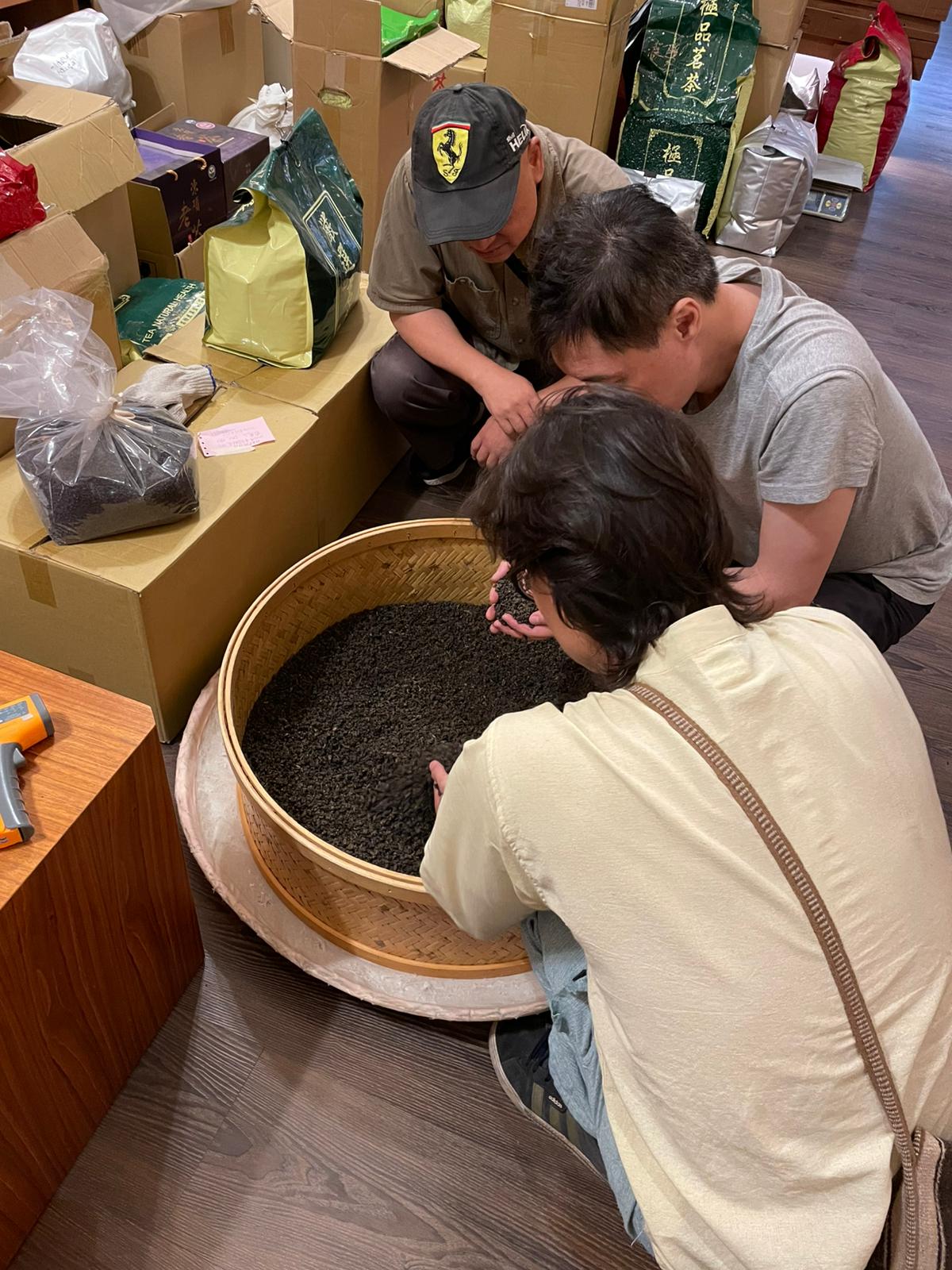
MoFan is a master of charcoal roasting. Having collected aged oolongs for decades, he has played an integral role in preserving traditional methods of tea making, including charcoal roasting and entirely hand rolled techniques.
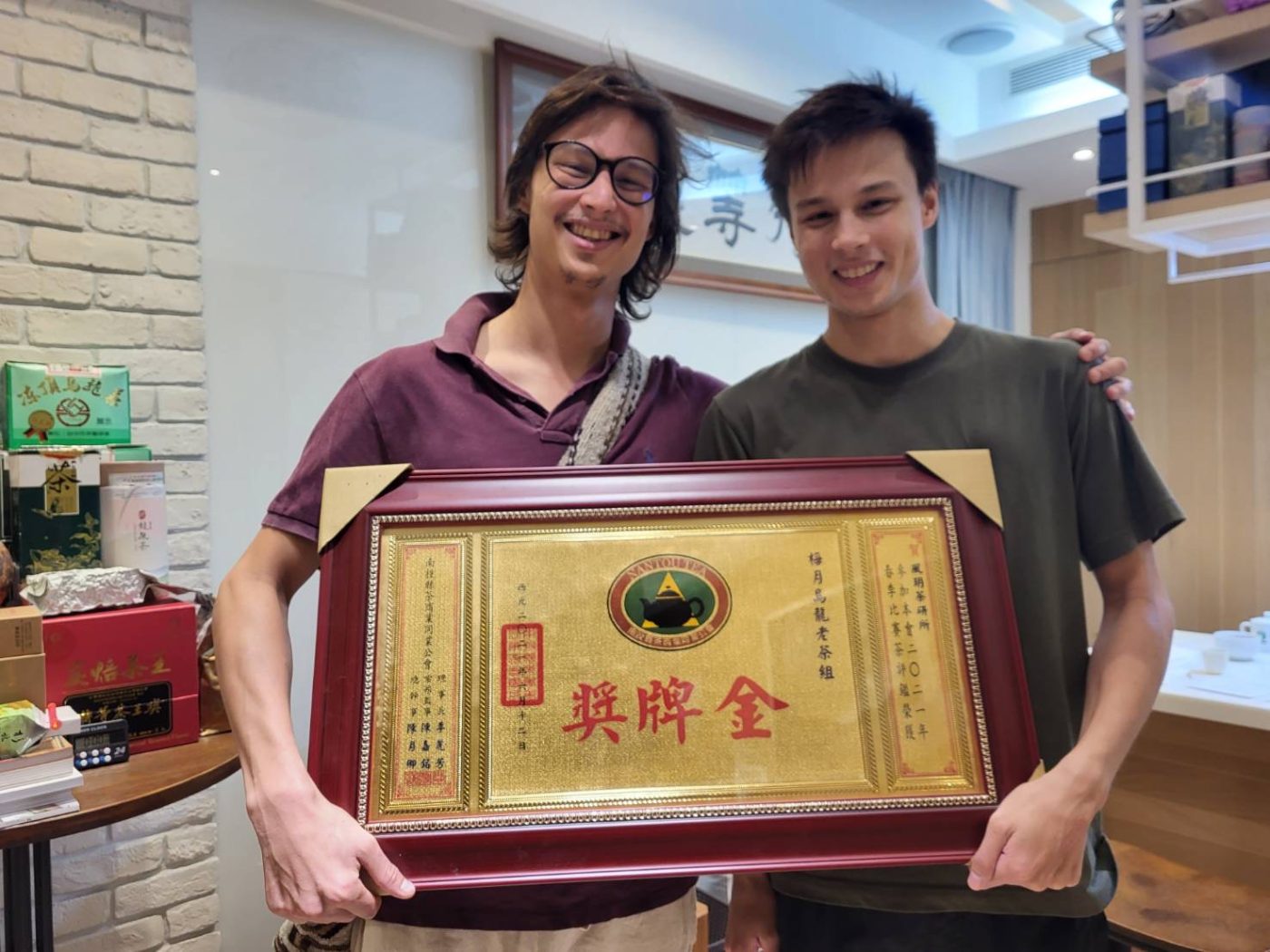
His competition lots have been recognized year after year, in Taiwan and abroad.
Recognition